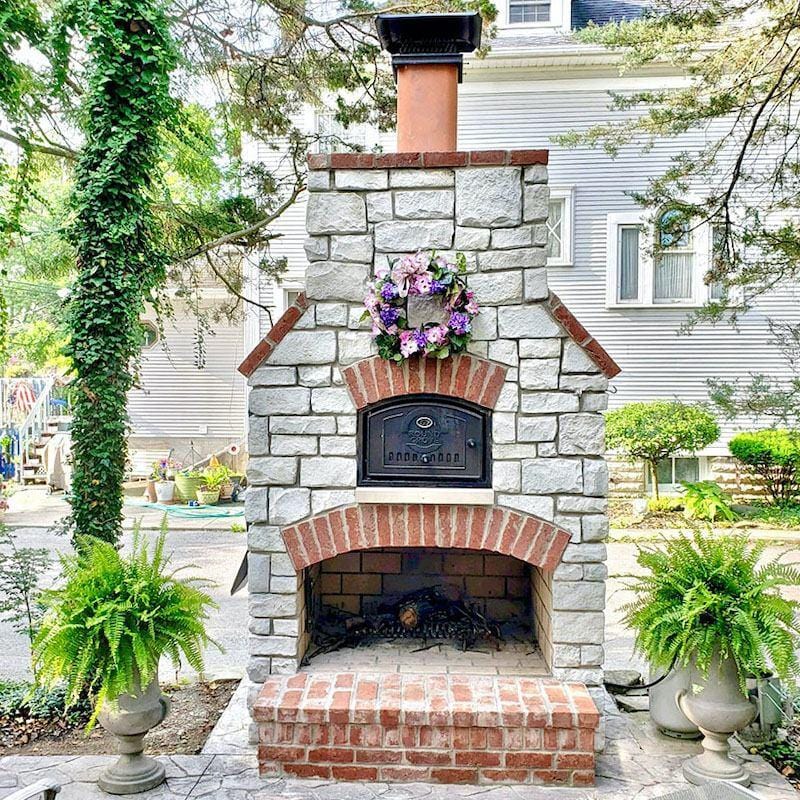
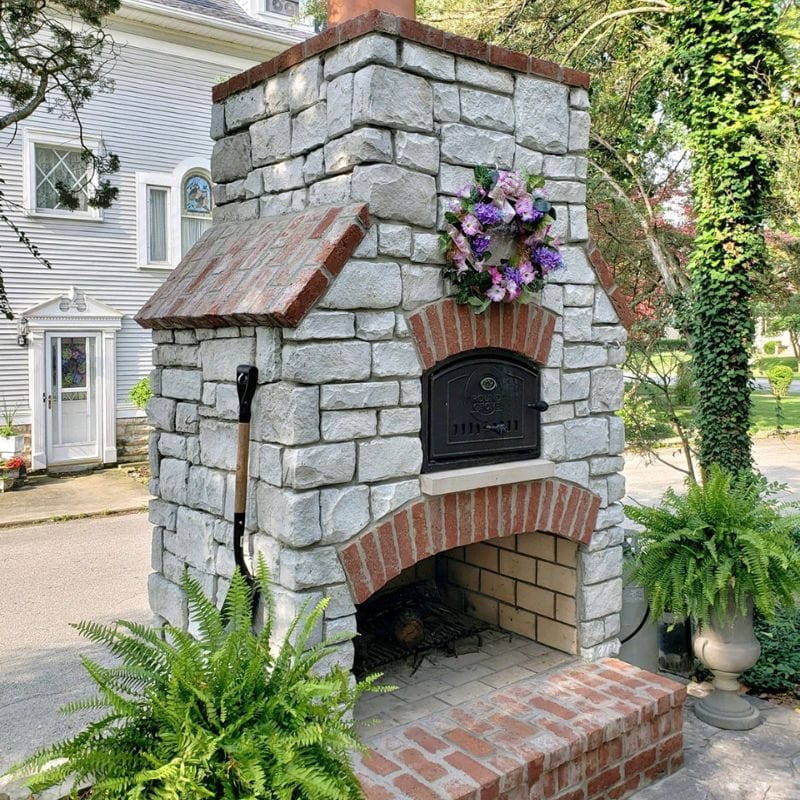
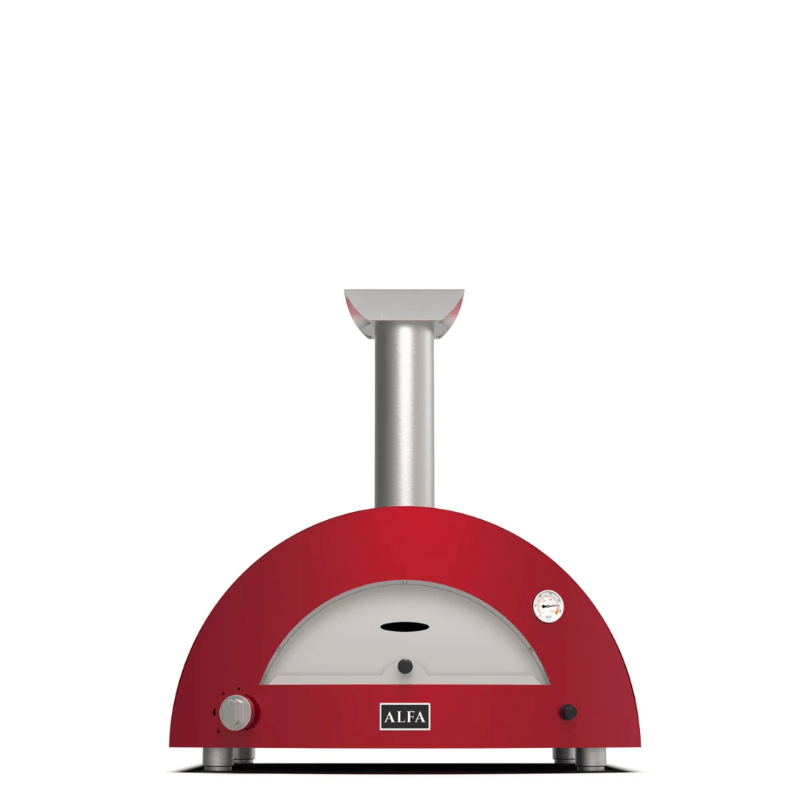
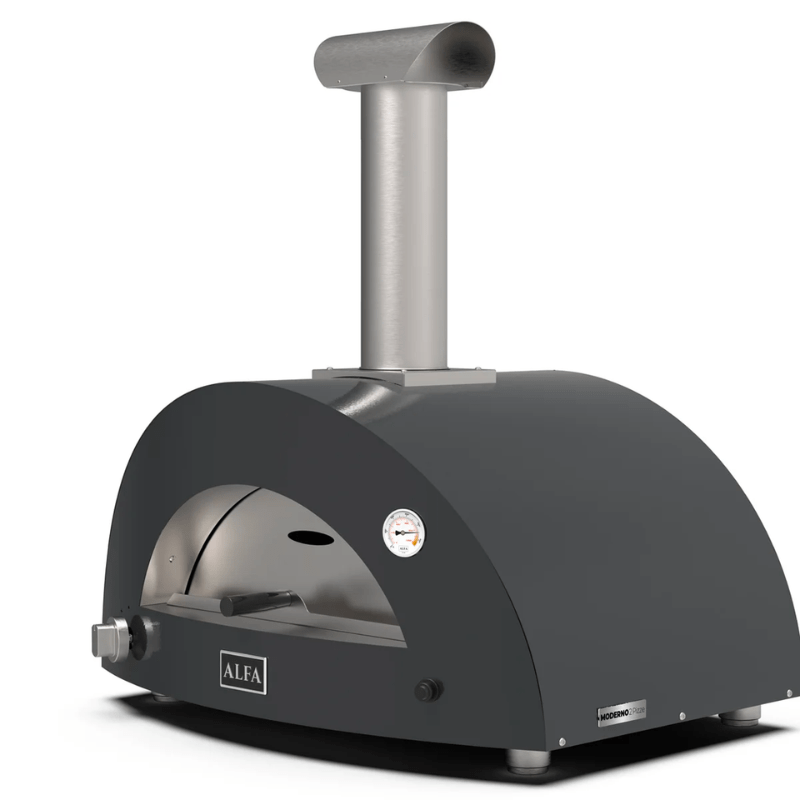
A wood-fired or gas pizza oven is the heart of a good outdoor kitchen. Put a pergola over it and you get shade for the cook, a little rain cover, and a finished, room-like feel to the whole space. The catch is that a pizza oven throws real heat and, if it burns wood, a steady stream of smoke. Build the overhead structure without thinking about either, and you trade a nice evening for a fire hazard.

The good news: it is absolutely doable, and people do it well all the time. You just have to get a few clearances and venting details right. Here is a plain-language rundown of what matters before you build.
The short answer:Yes, you can put a pergola over a pizza oven. Keep combustible parts of the structure well clear of the oven and its flue, vent the smoke up and out (not into the rafters), and check your local code and the oven maker's manual first. An open-slat pergola is usually the safest overhead choice because heat and smoke escape between the beams instead of collecting under a solid roof.
Why the structure overhead matters
Two things rise off a pizza oven: heat and combustion gases. A wood-fired oven runs hot enough to bake a pizza in 90 seconds, and the air leaving the chimney is far hotter than the air around it. Smoke from burning wood needs somewhere to go, and it carries embers. Trap that heat and smoke under a low, solid, combustible roof and you create exactly the conditions a fire needs.
This is why the type of overhead structure changes everything. A solid wooden roof sitting close over the oven is the riskiest setup. An open-slat pergola, where the top is mostly air, lets heat and smoke clear out between the beams. That single difference is the reason most outdoor-kitchen builders lean toward open or louvered pergolas above a cooking zone rather than a closed gazebo.
Clearance: how much space the oven and flue really need
Clearance is the air gap between anything that can burn and the hot parts of your setup. There are two distances to think about: the oven body and the flue.
Around the oven body
Keep combustible materials away from the sides, back, and especially the top of the oven. Wooden pergola posts, beams, fence panels, siding, and string lights all count as combustible. Your oven's manual will list a minimum clearance for that specific model, and that number wins over any general rule of thumb. If the oven sits on a cart or counter, leave room for heat to rise off the dome without licking a beam directly above it.
Around the chimney or flue
This is where most people get caught out. The flue carries the hottest gases, so it has the strictest clearances, and the right number depends on the pipe:
• Single-wall stovepipe:keep combustible material at least 18 inches away from the pipe.
• Double-wall (insulated) pipe:the air gap drops to about 2 inches, which is why insulated pipe is the standard choice anywhere the flue runs near a structure.
Never pack that gap with anything. Insulation, plywood, trim, plaster, and the like all defeat the purpose and become the thing that catches fire. The gap has to stay open air.
Venting: get the smoke up and out
If the oven sits under any kind of cover, the smoke has to escape above it, not pool underneath. You have two clean ways to handle a pergola:
Option 1: Run the flue up through the pergola
Take the chimney straight up and through the top of the structure. Where it passes the beams, use double-wall insulated pipe with proper flashing, then extend it past the roofline. A good rule for any covered structure is to carry the chimney 2 to 3 feet above the highest point of the cover, and to keep its top at least a couple of feet above anything within about 10 feet of it. That height keeps smoke clear of the seating area and helps the oven draw properly.
Option 2: Route the flue around the structure
If you would rather not penetrate the pergola, use an elbow kit to angle the flue out past the beams and then up, clearing the roofline on the outside. This avoids cutting and flashing the structure while still getting the smoke above head height.
With an open-slat pergola, you have a third advantage: a lot of the heat and lighter smoke simply rises between the slats on its own. You still vent the flue properly, but the open top gives everything an easy exit and keeps the cooking area comfortable.
Wood-fired vs. gas: it changes the math
Fuel type affects how careful you have to be overhead. Wood-fired ovens produce real smoke and embers, so they need full venting and the most attention to clearances. Many gas and propane ovens make far less smoke and some do not require a chimney at all, which makes them more forgiving under a structure. Forgiving is not the same as worry-free, though. Gas ovens still radiate serious heat off the dome and flue, so the clearance to beams and the top of the structure still applies. When in doubt, treat the heat seriously regardless of fuel.
Choosing the right structure over your oven
If you are picking an overhead structure with a pizza oven in mind, a few features make life easier:
• Open or louvered top.Space between the beams lets heat and smoke clear out. Louvered designs let you open the roof while you cook and close it for shade or rain afterward.
• Non-combustible frame.Powder-coated aluminum will not catch fire or char the way timber can near a heat source, which is one reason aluminum-framed pergolas have become popular over outdoor kitchens.
• Enough headroom.Give the oven generous vertical space so the dome is not radiating straight onto a low beam.
• Room to position the oven.Place the oven toward an open edge of the structure rather than dead center under the lowest, most enclosed point.
If you go the aluminum route, slatted or louvered designs like the pergolas from Hansø Home pair well with a cooking zone, since the open top vents heat and the metal frame removes the char risk a wooden roof carries. Whatever brand or material you choose, the principles above are what keep the setup safe.
Before you build: a quick checklist
• Read the oven manualand note its specific clearance numbers. They override general advice.
• Check local building and fire codes.Permits, setback rules, and chimney requirements vary by area. A quick call to the local building office or fire department saves headaches later.
• Use listed, insulated chimney componentsrated for the temperatures a pizza oven produces, with proper flashing if you go through the roof.
• Keep a clear zone overheadwith nothing flammable within the flue's required clearance, and nothing blocking the top of the chimney.
• Mind the extras.String lights, fabric shades, and stored firewood are all combustible. Keep them out of the hot zone.
Frequently asked questions
Can I put a wood-fired pizza oven under a pergola?
Yes, as long as you vent it properly and respect clearances. Run an insulated flue up through or around the pergola so it clears the roofline, and keep combustible beams the required distance from the oven and pipe. An open-slat pergola makes this easier because heat and smoke escape between the beams.
How far above the pergola should the chimney go?
A common guideline for covered structures is to extend the chimney 2 to 3 feet above the highest point of the cover, and keep its top above anything close to it. This carries smoke clear of the seating area and helps the oven draw.
Is a gas pizza oven safer under a pergola than wood-fired?
Generally it is more forgiving, since gas ovens produce far less smoke and some need no chimney. They still radiate significant heat, though, so the clearance to beams and the structure top still matters.
What is the safest overhead structure for a pizza oven?
An open or louvered pergola with a non-combustible frame, such as powder-coated aluminum. The open top vents heat and smoke, and a metal frame removes the char risk that comes with timber near a heat source.
Do I need a permit?
Often, yes, depending on where you live and whether the chimney penetrates a structure. Check with your local building office or fire department before you build.
The bottom line
A pergola over a pizza oven gives you a genuine outdoor room: shade while you cook, a bit of cover, and a defined space for everyone to gather. Get there safely and it is one of the best upgrades you can make to a patio. Keep the structure clear of the heat, vent the smoke up and out, lean toward an open-top design, and check your local rules before the first build. Do that, and the only thing rising off your oven on a Friday night is the smell of good pizza.