You can have a beautiful pizza oven and still have a patio that doesn't quite work. The seating ends up too far from the food, or too close to the heat. Guests bunch up in a doorway because there's nowhere sensible to stand while the pizzas cook. The cushions get soaked because there's nowhere to put them. The oven was the exciting purchase, but the space around it is what determines whether people actually enjoy being out there — and that part rewards a bit of planning before anything gets bought.

Start with how you want to entertain
Before working out where anything goes, be honest about how you'll really use the space.
Some households want casual Friday pizza nights for four or five people. Others host proper family dinners that need a full table. If there's a pool, meals happen in swimsuits with wet feet and towels everywhere. Some people want a quiet corner for coffee in the morning far more than they want a party space. And plenty of us host big backyard gatherings twice a year and small ones constantly.
The answers change everything downstream. A group of six needs a completely different layout from a group of sixteen. Frequent casual use argues for comfort and low maintenance; occasional big events argue for flexible seating you can rearrange. Get clear on your normal, not your best-case, and the furniture decisions get much easier.
Plan the cooking zone first
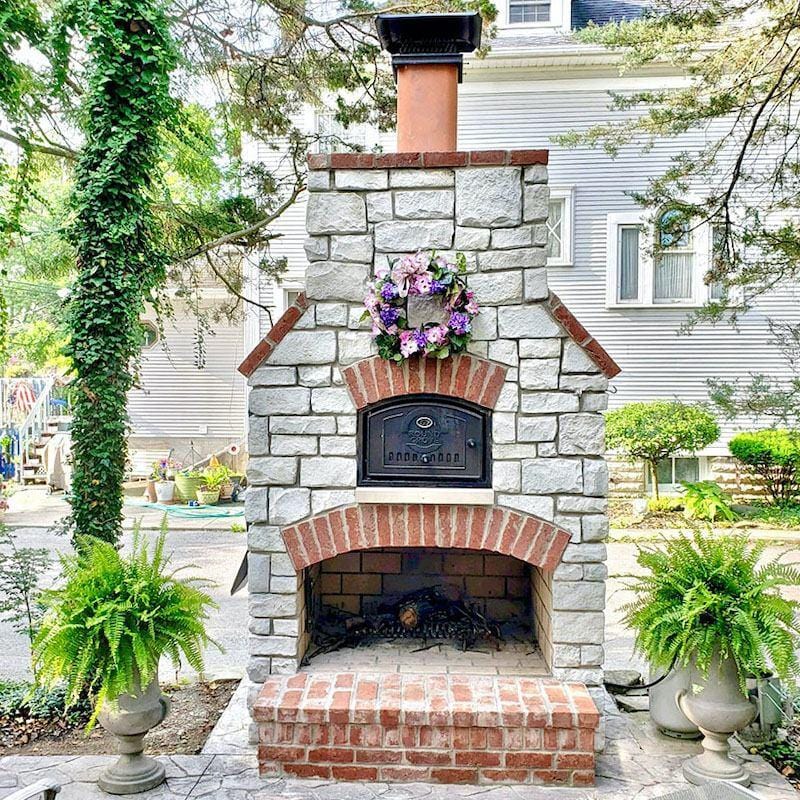
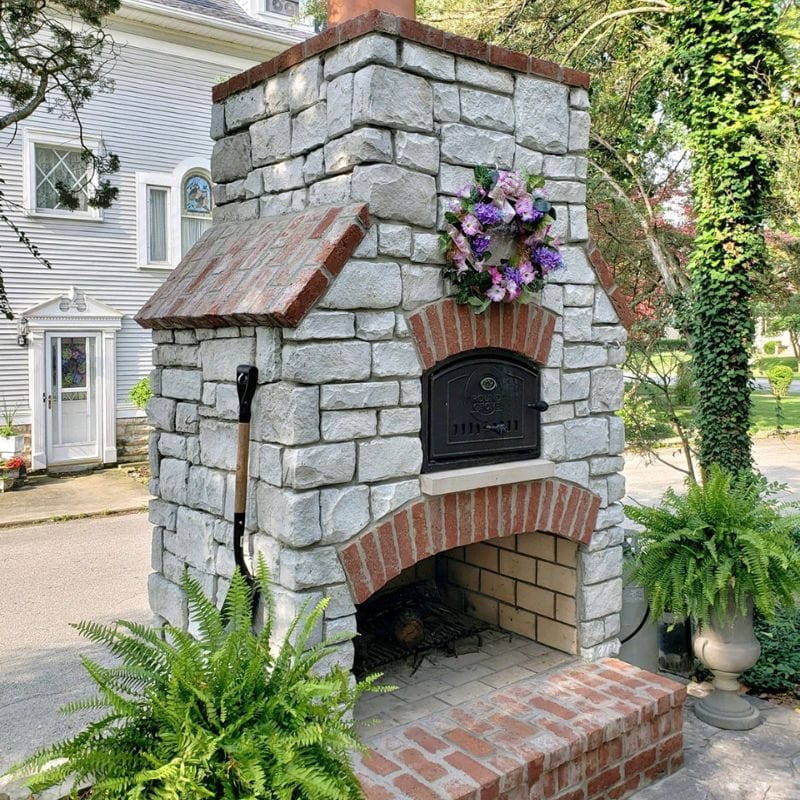
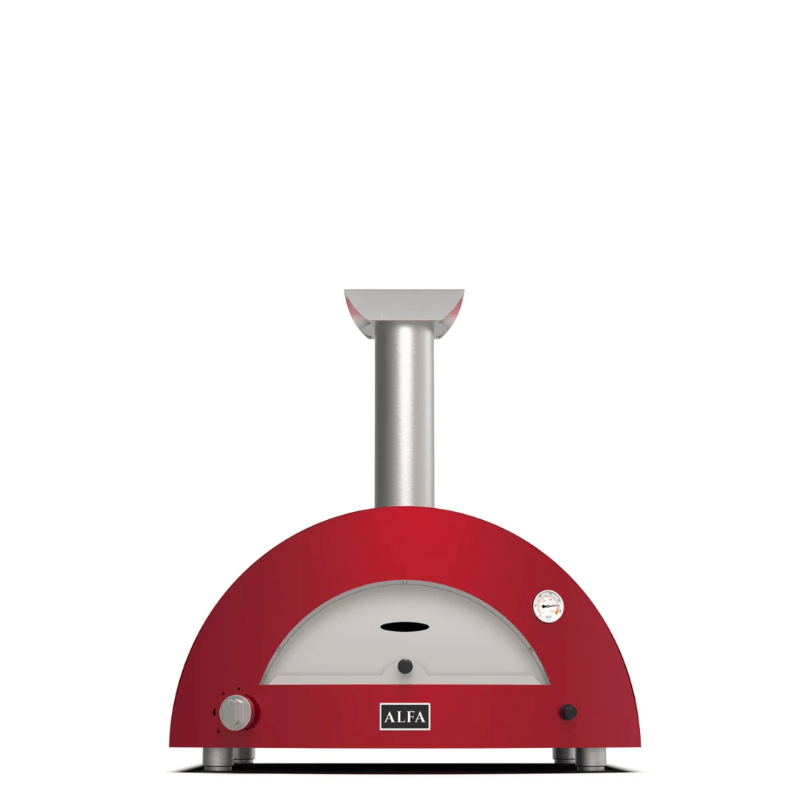
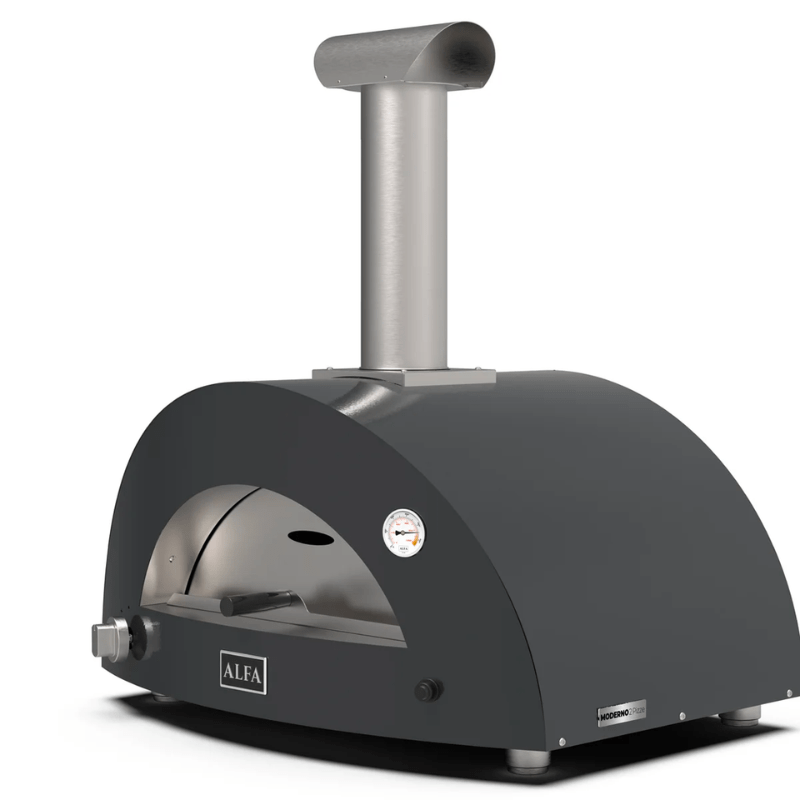
The oven or grill is the anchor, and everything else arranges itself around it. So decide that position before you think about furniture.
A few practical considerations. Give the oven proper clearance from anything combustible, and site it where smoke drifts away from where people sit rather than into it. Think about prevailing wind. Make sure you've got prep surface within arm's reach — stretching a peel across a table full of guests is nobody's idea of fun. You'll want somewhere to set finished pizzas down for slicing and serving, ideally between the oven and the table.
Then consider the human traffic. There's always a small crowd that gathers near an oven, because watching pizza cook is genuinely enjoyable. Leave room for those people to stand without blocking the route from the kitchen door. And keep fuel access practical — wood stacked somewhere convenient and dry, or gas connection clear of the walkway.
Place furniture around movement, not just the view
The instinct is to arrange seating to face the best view. Useful, but movement matters more, especially around a cooking zone with hot surfaces.
Leave a proper walkway between the cooking area and the dining table — at least enough that someone carrying a hot tray can pass behind seated guests without asking them to shuffle in. Around a dining table, allow real clearance for chairs to push back. Lounge seating works best grouped so people can talk to each other rather than lined against a wall. And near a pool, keep the paths clear and think about which furniture will cope with wet.
For outdoor furniture brands and retailers, outdoor furniture visualization can help show patio dining sets, lounge chairs, benches, cushions, fire-pit seating, and poolside furniture in realistic backyard, deck, garden, or outdoor-kitchen settings before customers make a final choice. As a homeowner, look for those in-context images when you're shopping — and before ordering anything large, chalk the footprint onto your patio and walk the routes you'd actually take with a tray of food.
Choose materials for weather and real use
Outdoor furniture takes a beating that indoor furniture never sees, and material choice decides whether you're replacing things in three years or fifteen.
Teak is the premium option, weathering to a silver grey and lasting decades with minimal fuss. Aluminium is light, won't rust, and moves easily for rearranging — though light pieces can travel in strong wind. Powder-coated steel is heavier and stays put, but check the coating quality because chips lead to rust. All-weather wicker handles sun and rain far better than natural rattan, which really wants covering. Stone, tile, and concrete surfaces are hard-wearing near a cooking zone, where spills and heat are routine.
Cushions deserve their own thought. Proper outdoor fabric resists fading and dries quickly; indoor fabric outdoors goes mouldy within a season. And whatever you choose, plan for covers or storage from the start rather than as an afterthought.
Build zones for cooking, dining, and relaxing
The patios that feel finished are the ones with clear zones, each doing a job, connected but not overlapping. The outdoor living space should have clear zones, each doing a job.
The cooking zone holds the oven, prep space, and serving surface. The dining zone is the table, positioned close enough that food arrives hot but far enough that nobody's sitting in the heat. The lounge zone — deeper seating, a fire pit, softer furniture — is where people migrate after eating. Storage sits nearby but out of the way.
Visual-production studios such as CGIFurniture also show how product images, lifestyle renders, 360° views, AR-ready assets, and animations can help shoppers understand outdoor products more clearly online. When you're comparing dining sets or lounge groups for a specific zone, those room-context and scale images are what tell you whether a piece will actually suit the space you've allocated it.
Add lighting, shade, and seasonal comfort
These are the elements that decide how many hours a year the patio gets used, and they're routinely underestimated.
Shade first. A pergola, a shade sail, or a good umbrella turns a patio from unusable to pleasant on a hot afternoon. Then lighting, because outdoor entertaining mostly happens as the light fades. String lights overhead do most of the atmospheric work; path lights keep people from tripping; a task light near the cooking zone means you can actually see what you're doing after dark.
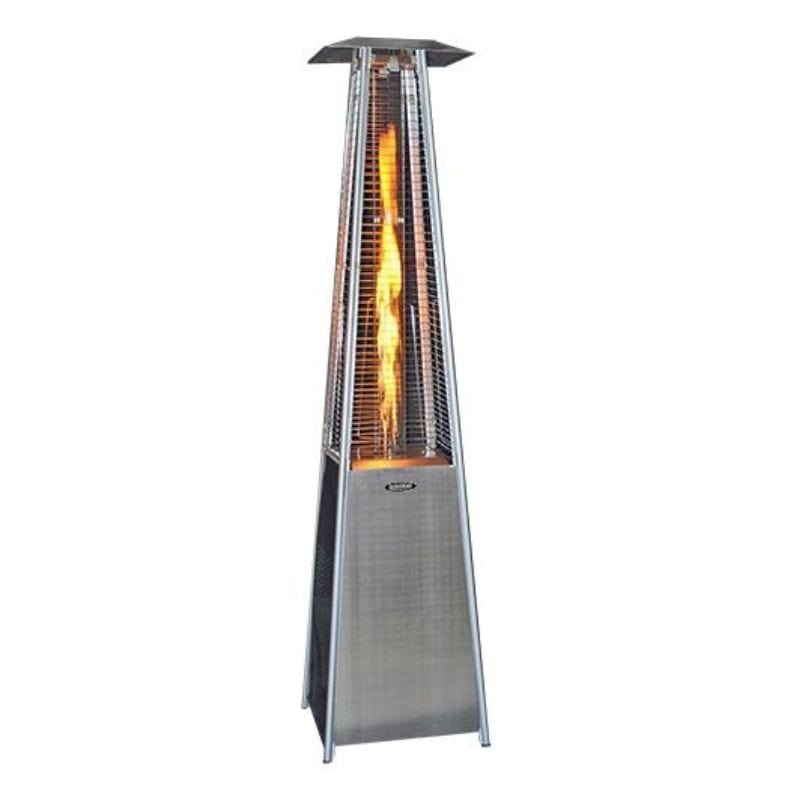
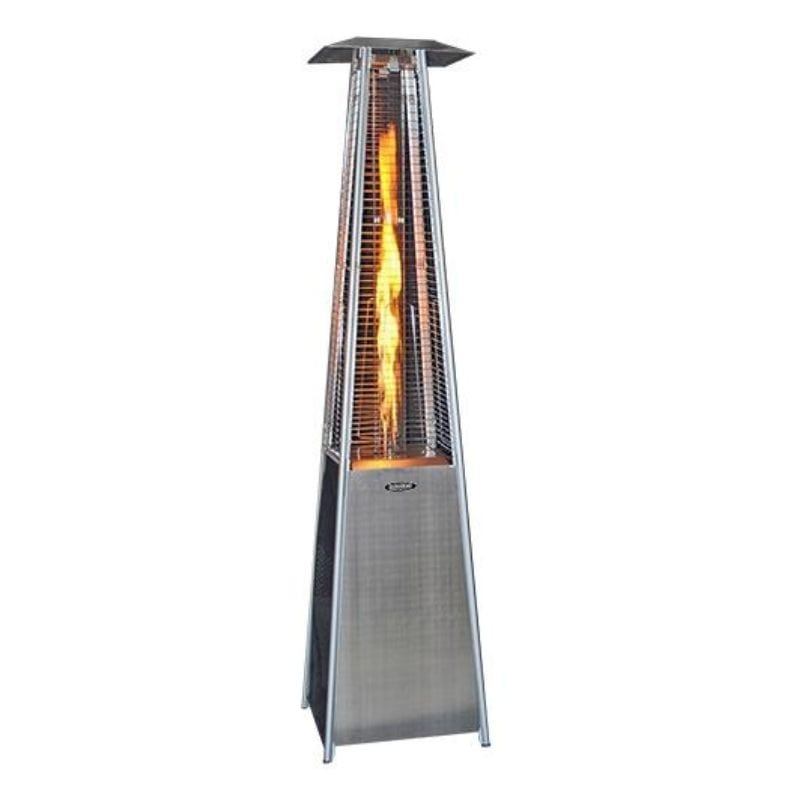
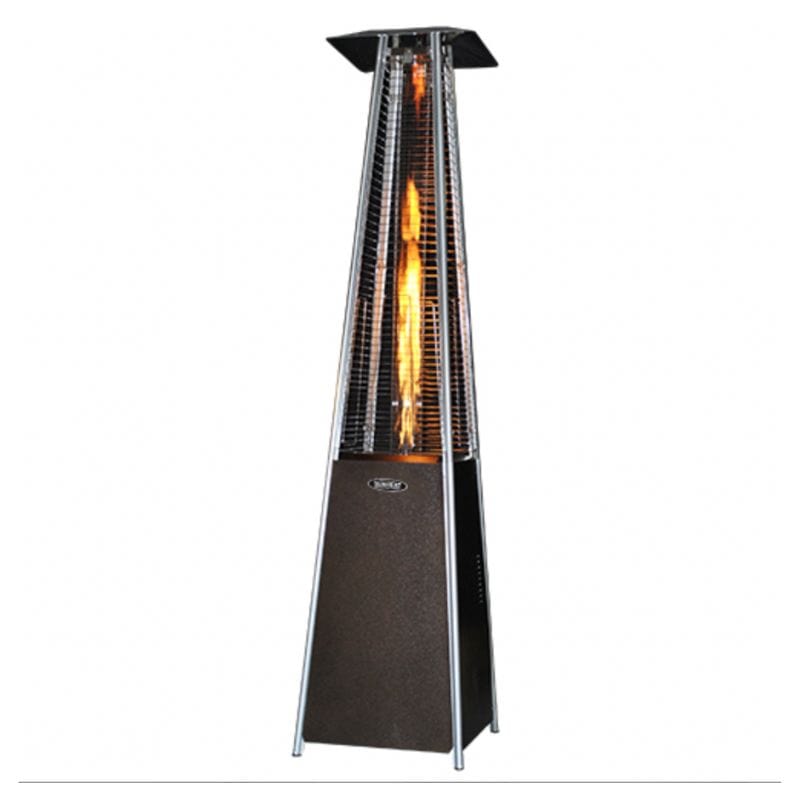
For the cooler end of the year, a wood-fired oven is already a heat source — one of the reasons pizza nights work in autumn. Add a fire pit or a patio heater and the season stretches further. And a bit of wind protection, whether planting or a screen, makes a surprising difference on breezy evenings.
Think about storage before the patio gets crowded
Outdoor entertaining generates a remarkable amount of stuff, and without somewhere to put it the space slowly becomes an obstacle course.
Make a list of what needs a home: cushions that must come in when it rains, peels and cooking tools, firewood kept dry, furniture covers, outdoor dinnerware and utensils, cleaning supplies. Then build the storage in. A storage bench that doubles as seating is the classic solution. A weatherproof deck box handles cushions. A covered log store near the oven saves trips.
Storage is the least glamorous part of the plan and the one that determines whether the patio still looks good in August.
Common mistakes to avoid
The repeat offenders: furniture placed too close to the oven, so seats are uncomfortably hot. No dedicated serving surface, leaving hot pizzas balanced somewhere precarious. Layouts that block the main route through the space. No shade at all, so the patio's unusable from noon to four. Cushions bought without anywhere to store them. Indoor materials pressed into outdoor service. Lighting left until after everything else, when running power is difficult. And a layout designed for how it photographs rather than how twelve people actually move through it.
A checklist before buying
-
How many people use the space on a normal evening, and on a big one?
-
Where exactly is the oven or grill going, and which way does the smoke drift?
-
Is there enough prep and serving surface within reach?
-
Can guests move safely past the cooking zone with food in hand?
-
Does the furniture fit the patio with proper walkways left over?
-
Are the materials suited to your actual weather?
-
Do you need shade, heating, or wind protection?
-
Where will cushions, tools, and firewood live?
-
Does the layout work for cooking and for relaxing afterwards?
-
Can you judge scale and finish properly from the product images available?
Final thoughts
A good outdoor entertaining space should feel effortless to use. When the oven, the table, the seating, the lighting, and the storage have all been thought about together, the patio stops being a place you cook occasionally and becomes an outdoor room — somewhere people drift out to without being invited, and stay long after the last pizza has come out.