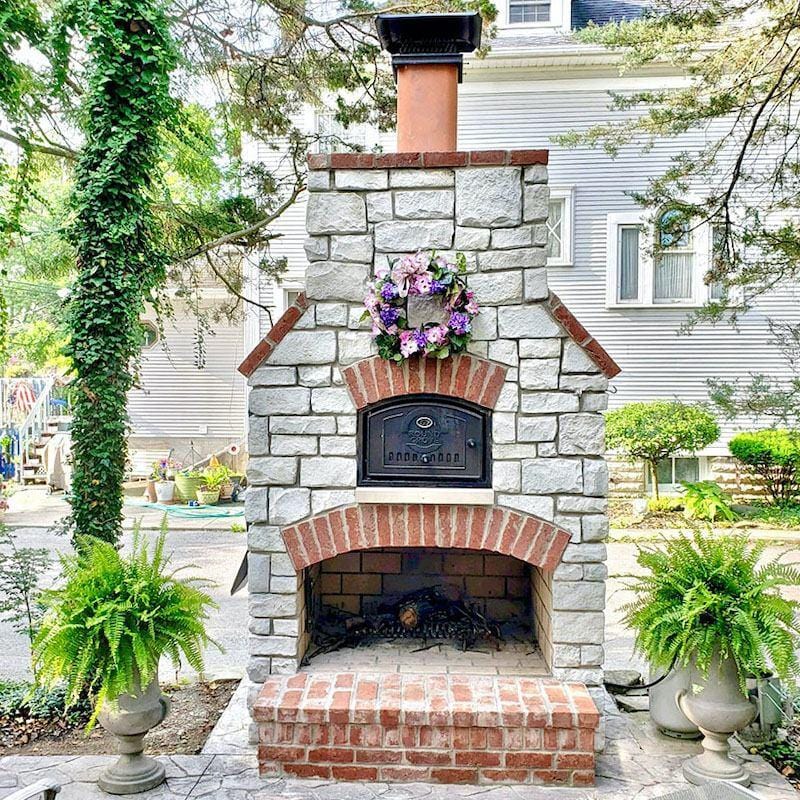
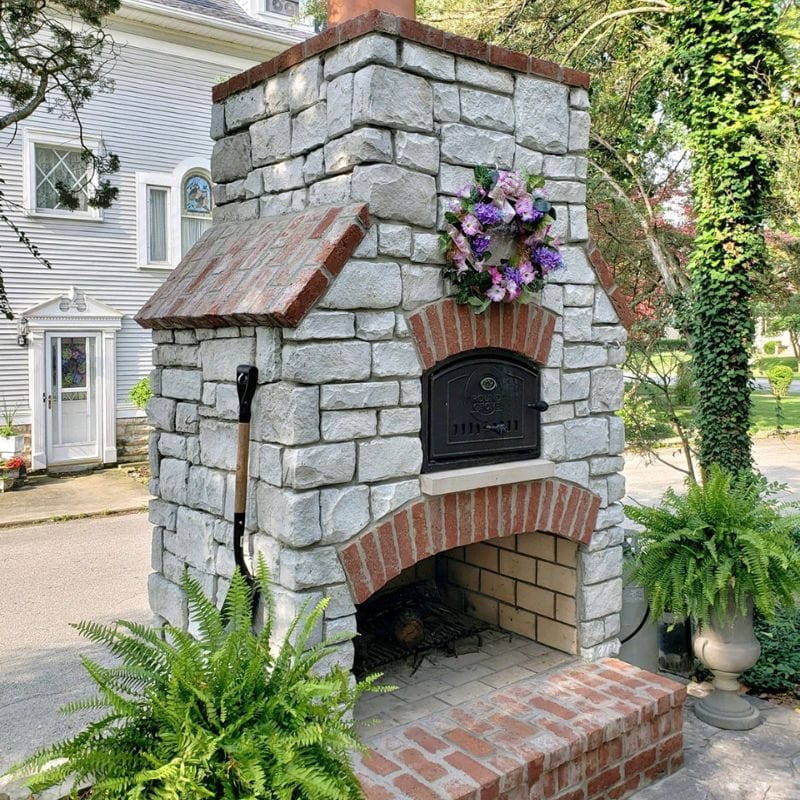
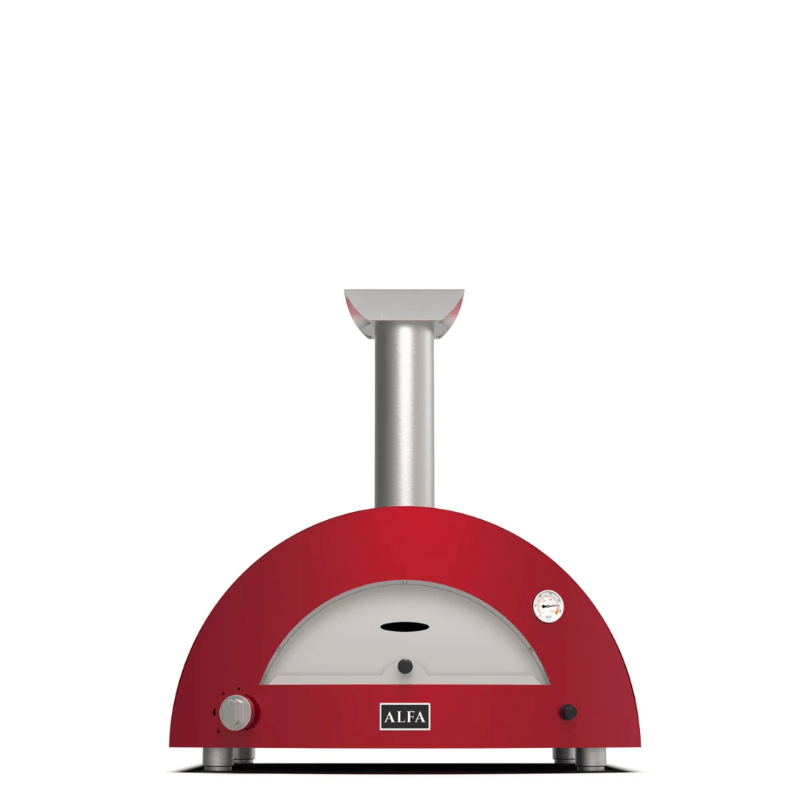
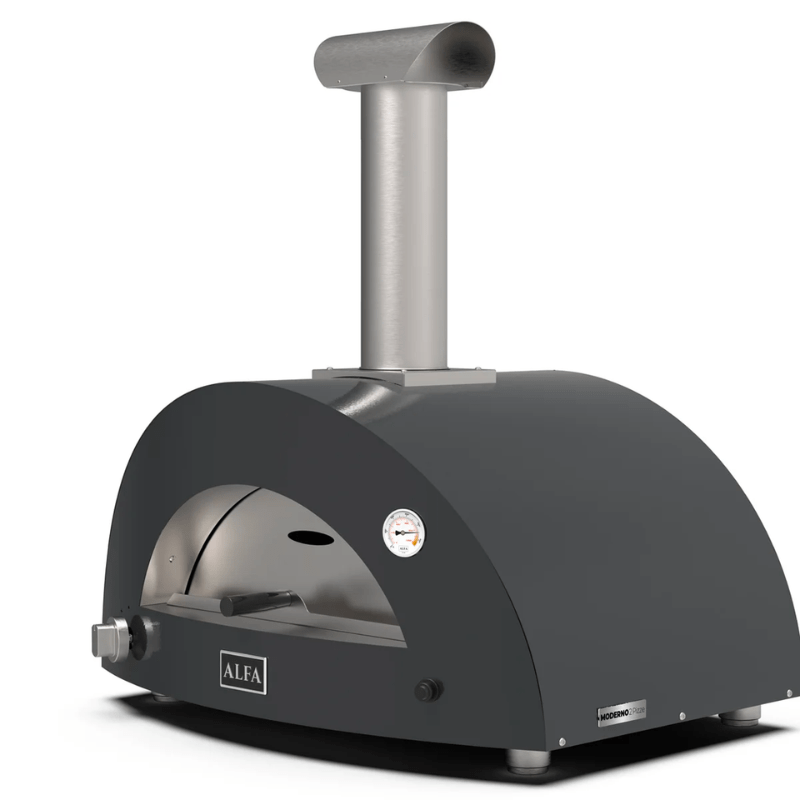
Building a pizza oven into a patio is one of those projects that looks simple on a Pinterest board and gets complicated the moment you start choosing materials. The oven itself gets plenty of attention. The surface around it, less so, until someone asks the obvious thing: what do you put on the bench and the wall behind a fire that runs north of 400 degrees?

It's a fair question, and the answer shifts depending on how close the tiling sits to the heat source.
Heat is the first thing to plan around
A wood-fired oven throws out a lot of radiant warmth. The cooking chamber is insulated, so the outside of a well-built oven stays cooler than people expect, but the bench beside the door still cops splashes of flour, oil, ash and the occasional dropped coal. Behind the oven, a tiled splashback takes heat and smoke, along with the odd scrub from a wire brush.
Standard wall paint won't survive that for long. Tiles will, provided you pick ones rated for the job and lay them properly.
Why a lot of people start in the kitchen tile aisle
Here's where it gets interesting for anyone planning an outdoor cooking zone. The surfaces that work hardest in a domestic kitchen face a similar list of problems to an outdoor oven bench. They deal with heat off a cooktop, grease, water and constant wiping down. That overlap is why builders often point people toward kitchen tiles when planning an outdoor bench, rather than hunting down something labelled specifically for ovens.
A splashback tile that shrugs off bolognese spatter behind a stove tends to behave the same way behind a pizza oven. The trick is matching the tile body and rating to an outdoor setting, since sun and frost add stress an indoor wall never sees.
Porcelain usually wins outside
Porcelain is denser than ceramic and absorbs almost no water, a real advantage in a backyard that bakes in summer and gets damp overnight. A chip on a through-body porcelain tile is less obvious than one on glazed ceramic, because the colour runs deeper than the surface.
Ceramic still has a place. Glazed ceramic costs less, comes in more patterns and works fine on a vertical splashback that never gets walked on or rained on heavily. For a bench top or anything underfoot near the oven, porcelain earns its slightly higher price.
Natural stone, things like slate or travertine, gives a rustic look that suits a wood-fired setup. It needs sealing though, and it stains if you leave oil sitting on it. Anyone who hates fussing over maintenance tends to skip it.
Finish counts for more than colour near a fire
Polished tiles look sharp in photos and turn into a skating rink the second water or oil hits them. Around an oven, where you are carrying hot trays and a pizza peel, a matte or lightly textured surface is the safer pick. A slip rating in the R10 to R11 band is a sensible target for any floor in a cooking area.
Colour is mostly personal taste. Lighter tiles show ash and soot faster, darker ones hide it but get hot to the touch in direct sun. A mid tone with some texture or variation in the pattern forgives the marks an outdoor oven throws around.
Grout and adhesive do the quiet work
The tiles are only half the story. Use an exterior-grade adhesive rated for the temperature swings outdoors, and an epoxy or a flexible grout that won't crack as the structure expands and contracts with the seasons.
Right next to the oven opening, where temperatures climb highest, a heat-resistant adhesive is worth the extra few dollars. Most splashback and bench areas sit far enough from the flame that a standard exterior product copes, but the zone closest to the door deserves the upgrade.
A few practical notes before you buy
Order around ten percent more than the measured area suggests. Cuts and breakages eat into a tight order, dye lots shift between batches, and matching a tile a year later is rarely clean.
Check whether the tile is rated for outdoor and floor use if that is where it's going. A wall-only rating is fine behind the oven and a problem underfoot.
Lay a couple of loose tiles in the actual spot for a day before committing. Outdoor light is harsher than a showroom, and a colour that looked warm under shop lighting can read grey against a brick oven.
If you can, get the tiling finished before the oven's first proper fire. Working around a structure you're worried about chipping is slower and more stressful than tiling a bare bench.
A backyard pizza oven is meant to be the centre of long evenings with friends and far too much dough. Picking the right tile around it keeps the whole setup looking good after a few seasons of hard use, which is the part you stop thinking about once it's done right.