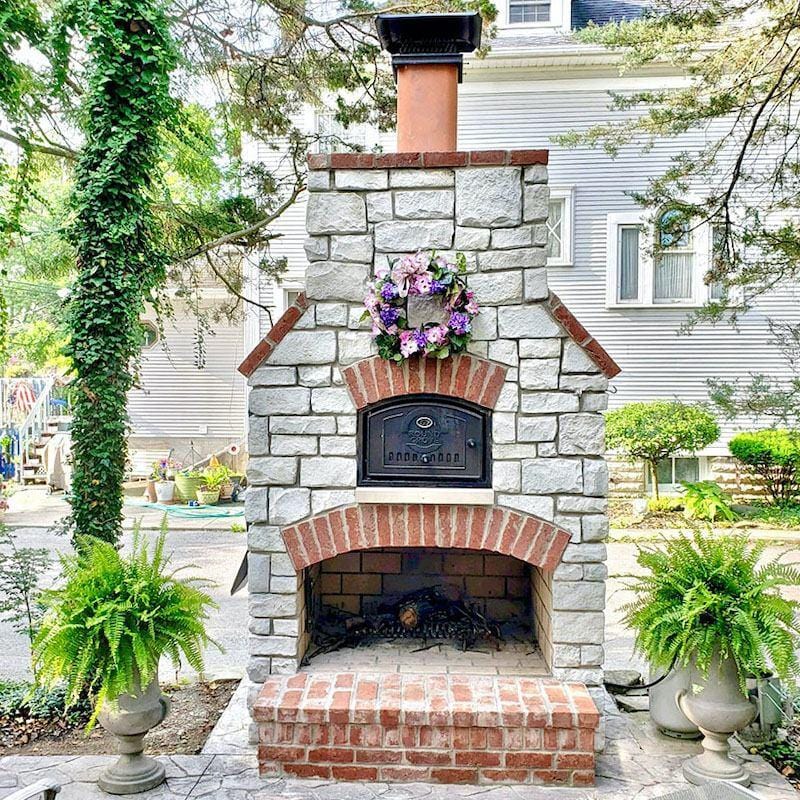
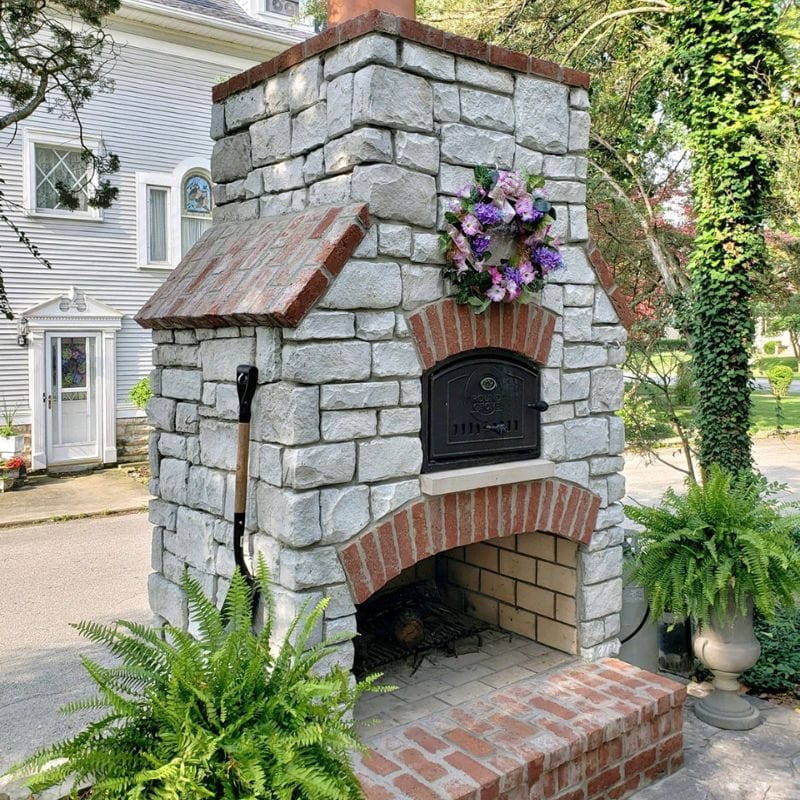
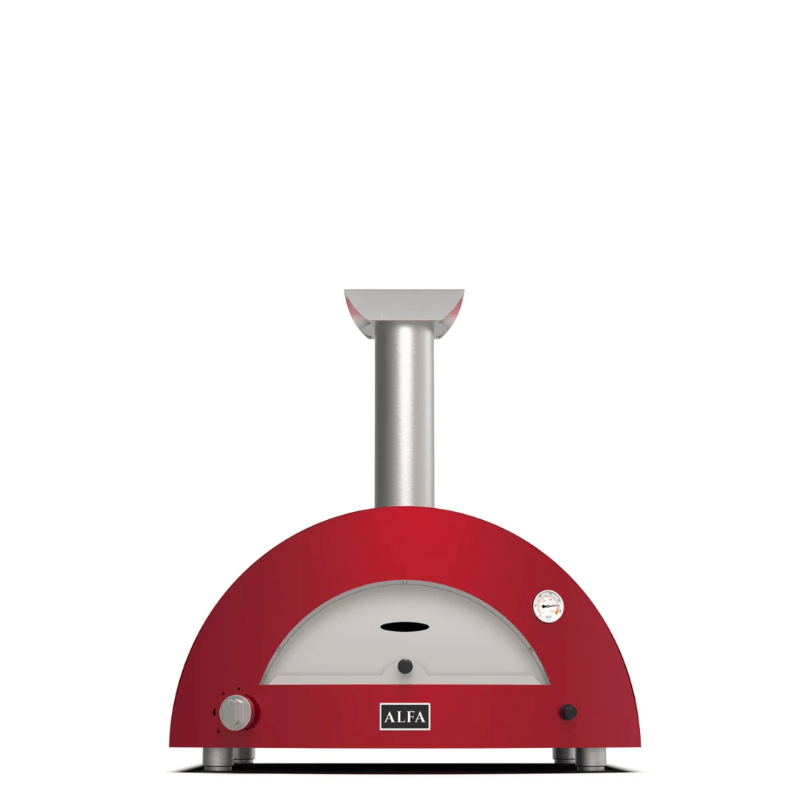
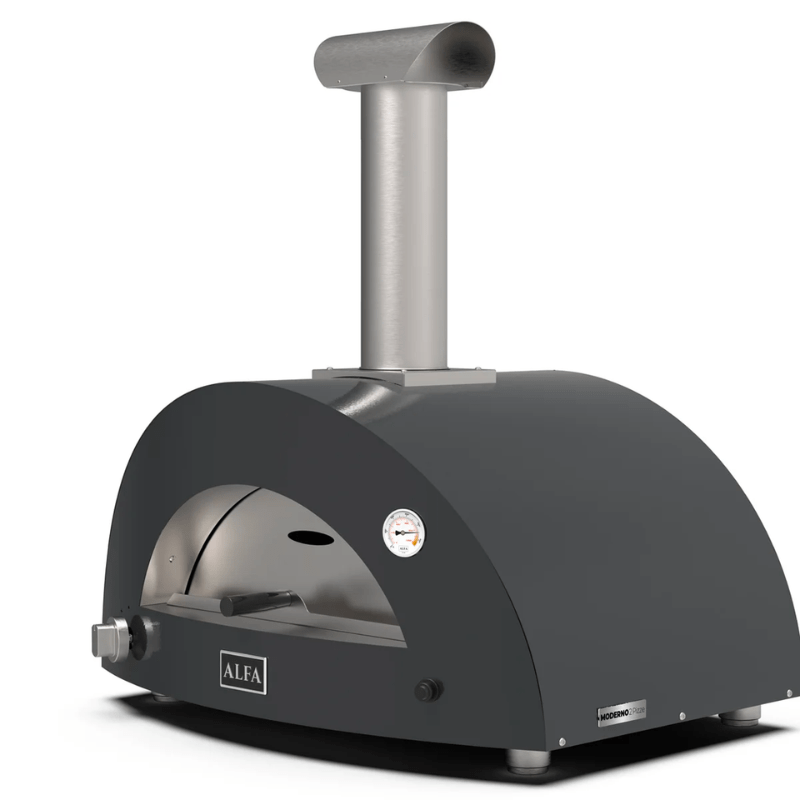
You finally buy that outdoor wood-fired oven you always wanted. You invite the neighbors over for a weekend dinner.
Then the delivery truck drops off a massive, thousand-pound stone dome on a wooden pallet. Suddenly, you realize your aging backyard deck cannot safely hold that kind of weight. We often get caught up in the romance of cooking over a live fire. We forget about the structural reality of the heavy equipment involved. Setting up a high-heat, heavy-duty cooking station requires a specialized foundation. Putting it in the wrong spot ruins your existing deck. It also creates a massive fire hazard. You have to prepare the ground properly before you start stretching dough and chopping firewood.
Building a foundation that handles extreme weight
Standard wooden decks are built to hold lightweight patio furniture and people. They are simply not engineered to support a solid masonry structure. If you place a heavy oven on standard pine joists, the wood eventually bows and snaps. You need a dedicated, reinforced hardscape pad. Building a custom patio gives you the structural integrity required for heavy cooking equipment. It transfers the immense weight directly into the earth rather than relying on aging wooden beams.
You also have to consider what happens when a hot ember pops out of the fire. Dropping a burning coal on dry wood causes instant panic. Compare these common surface options for a safe cooking zone:
-
Poured concrete: Highly durable and completely fireproof. It handles the weight easily, though dropped grease or acidic tomato sauce might leave dark surface stains over time.
-
Natural stone pavers: They look incredibly rustic and handle intense heat beautifully. The individual joints provide slight flexibility if the heavy oven causes the ground to settle.
-
Composite decking: Absolutely terrible for this specific application. Stray sparks melt the plastic resins immediately and leave permanent, ugly burn holes.
Giving the chef enough room to actually work
Cooking with live fire is a highly active process. You don't just turn a dial and walk away to grab a drink. You have to chop wood, manage the flames, rotate the food, and quickly pull items away from the intense heat. If you cram the oven into a tight corner, you will constantly bump your elbows against the fence. You need plenty of physical clearance to move safely.
Plan for at least four to five feet of completely open space directly in front of the oven mouth. You need room to wield a long metal pizza peel without hitting your guests in the head. You also need a dedicated landing zone. A simple stainless steel prep table positioned right next to the heat source gives you a safe place to rest hot cast-iron pans the second they come out of the fire.
Combining utility lines for a seamless cooking experience
Most modern setups require more than just dry firewood. You might need a gas line for a starter burner. You almost certainly need electrical outlets for evening prep lighting and refrigerators. Running separate utility lines randomly across the yard creates a messy, dangerous space. You want to group these services efficiently.
Finding Allied Solutions that integrate your underground utilities—meaning you trench your water, gas, and electrical lines in one coordinated, planned pathway—saves your grass from being dug up multiple times. Grouping the electrical conduits and pipes into a single trench keeps the construction site organized. It also makes future maintenance significantly easier. If a connection eventually fails, you only have to inspect one specific corridor of the yard rather than blindly guessing where the lines were buried five years ago.
Keeping the heavy smoke away from your open windows
Wind direction dictates exactly where your oven should sit. Wood fires produce thick, heavy smoke during the initial lighting phase. If you position the chimney directly under your second-story bedroom window, your house will smell like a campfire for a week. The smoke will seep through the window screens and embed itself deeply into your indoor furniture.
Go step outside right around dinner time this evening. Light a small stick of incense or strike a single match. Watch exactly where the smoke travels. You will instantly see the natural airflow patterns of your specific yard. Use that invisible breeze to push the exhaust toward the back fence, safely away from your seated guests and your living room.