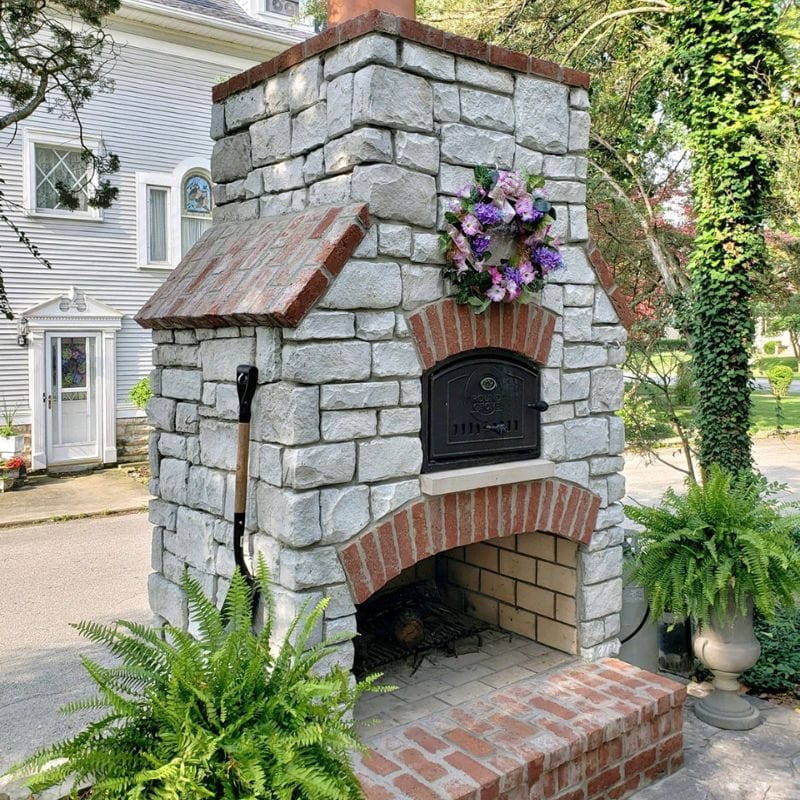
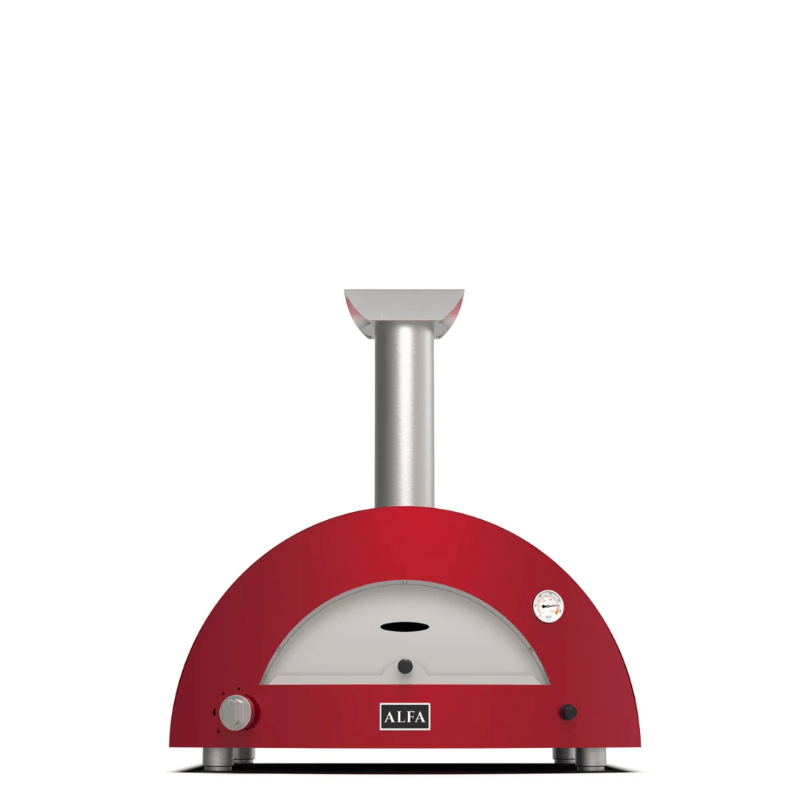
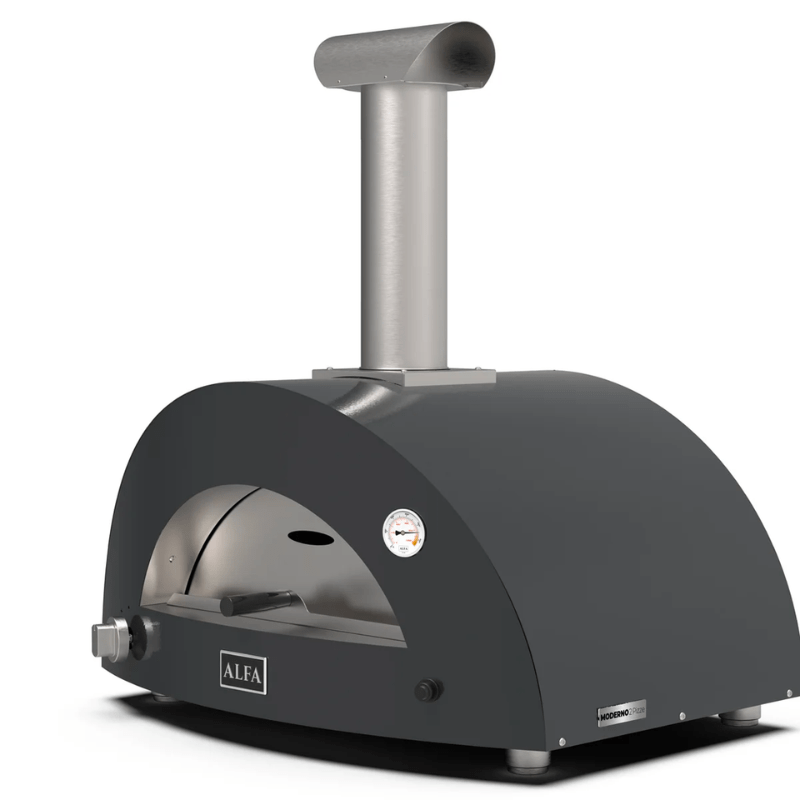
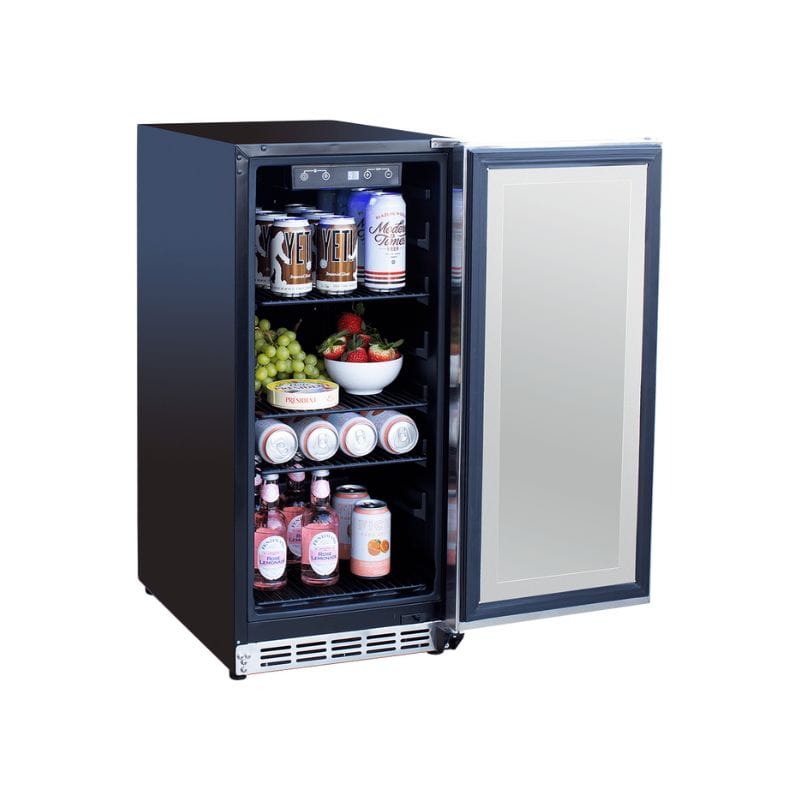
A great pizza night starts long before the first dough ball hits the peel. The condition of your oven, prep space, firewood, and patio all affect how smoothly the evening goes. Small maintenance habits also make it easier to fire up the oven on a weeknight without spending the first hour cleaning up last weekend's mess.

Outdoor kitchens face challenges that indoor kitchens usually avoid. Rain, humidity, insects, windblown debris, and temperature swings all come into play. Add flour, cheese, sauce, firewood, and a hot oven, and there is plenty to manage. These seven habits can keep your outdoor kitchen ready for the next wood-fired meal.
1. Remove Cold Ash and Cooking Debris
A little ash is part of wood-fired cooking. A growing pile from several cooking sessions is not something you want to work around. Once the oven is completely cool, remove excess ash according to the oven manufacturer's instructions. Sweep away burnt flour, bits of crust, and other loose debris from the cooking area. Check your oven tools while you are there.
This does not mean aggressively scrubbing the oven after every pizza night. Wood-fired ovens naturally develop soot and discoloration. The goal is simply to prevent loose debris from accumulating until preparing the oven becomes a project of its own.
Regular light cleaning is easier than dealing with several cooking sessions' worth of leftovers at once.
2. Keep the Oven Protected From Moisture
Outdoor pizza ovens are built for outdoor cooking, but that does not mean water should be allowed to collect in or around them.
Use the appropriate cover when the oven is not operating, particularly if rain is expected. Check the cover periodically for tears and make sure water is not pooling around the oven base. If the oven has been exposed to significant moisture, follow the manufacturer's instructions before taking it straight to very high temperatures.
The surrounding outdoor kitchen deserves the same attention. Damp cabinets, leaking sinks, and water collecting underneath equipment can quietly become bigger maintenance problems.
A quick moisture check after heavy rain takes very little time and may reveal changes you would otherwise miss.
3. Keep Food Residue Out of the Patio
Pizza is messy in all the best ways. Flour lands on the floor. Cheese escapes the cutting board. Sauce drips onto counters, and toppings occasionally miss their destination.
Clean those leftovers before closing the outdoor kitchen for the night. Wipe prep surfaces, sweep food debris, clean spills, and secure trash. Do not leave pet food or dirty serving dishes outside overnight.
Persistent pest activity deserves more attention than repeated surface cleaning. If ants, cockroaches, rodents, or other pests keep returning despite good sanitation, it may be time to bring in a licensed pest control professional to investigate the source and identify conditions around the property that may be contributing to the problem.
4. Give Your Firewood Better Storage
Good wood-fired cooking depends heavily on the fuel going into the oven.
Seasoned hardwood needs protection from rain while still getting enough airflow to remain dry. Avoid creating a tightly enclosed pile where moisture has nowhere to escape. If your main wood supply is some distance from the oven, keep a smaller supply of seasoned cooking wood in a convenient dry location.
Before lighting the fire, look at the wood rather than automatically grabbing the next piece. Damp logs can be harder to light and may produce more smoke while making temperature management frustrating. Never burn painted, pressure-treated, or chemically treated lumber in a cooking oven. Stick to wood recommended for pizza oven use and whatever your oven manufacturer specifies.
5. Reset the Prep Station Every Time
The prep area deserves as much attention as the oven itself. After all, this is where dough is shaped and toppings are handled before they ever reach the fire.
Start each cooking session with clean counters, boards, knives, and utensils. Keep raw meat separate from ready-to-eat ingredients, and do not put cooked food back onto a plate that previously held raw meat unless the plate has been properly cleaned.
Temperature matters outdoors too. USDA Food Safety and Inspection Service guidance says perishable food should not remain out for more than two hours under normal conditions. When the temperature is above 90°F, that window drops to one hour. That matters on a summer pizza night when cheese, meats, sauces, and other toppings can sit beside the oven longer than anyone realizes.
6. Watch Where Water Goes
An outdoor kitchen has to handle water from more than one direction. There may be rain from above, plumbing underneath the counter, and cleaning water around the prep area.
Check outdoor sinks and connections for leaks. Look beneath cabinets rather than assuming a dry countertop means everything underneath is fine. After a storm, see whether water is pooling near appliances, cabinets, the oven, or dining furniture.
The same rule applies to containers scattered around the patio. Buckets, plant saucers, toys, and uncovered storage items can collect rainwater without being obvious from across the yard.
Good drainage protects the outdoor kitchen itself and makes the entire patio easier to keep clean between cooking sessions.
7. Check Your Tools Before Pizza Night Starts
A damaged pizza peel is much easier to notice when nobody is waiting for dinner.
Before guests arrive, check the tools you expect to use. Make sure pizza peels are clean and in good condition. Inspect oven gloves, brushes, thermometers, handles, and other accessories. If your outdoor kitchen has lighting, test it before an evening cook.
This is also the time to confirm that you have enough dry wood for the planned cooking session. Running short after the oven reaches temperature is an avoidable frustration.
Keep frequently used tools in a clean, dry storage area. Equipment that stays outside should be protected according to its manufacturer's recommendations rather than left exposed simply because it belongs to an outdoor kitchen.
A Simple Outdoor Kitchen Maintenance Routine
You do not need a complicated maintenance schedule. A handful of repeatable checks covers most everyday needs.
|
Maintenance Habit |
Why It Helps |
|
Remove cold ash and food debris |
Makes the next oven setup easier |
|
Protect the oven from moisture |
Keeps the cooking area ready for use |
|
Clean food and spills promptly |
Leaves a cleaner, more inviting patio |
|
Store firewood correctly |
Supports more consistent fires |
|
Reset prep surfaces |
Supports safer food handling |
|
Check drainage and plumbing |
Helps catch moisture problems early |
|
Inspect cooking tools |
Prevents last-minute surprises |
The easiest approach is to divide maintenance into two moments. Clean food, tools, and prep areas after each cooking session. Check weather-related issues, moisture, fuel, and equipment before the next one.
Make Maintenance Part of Pizza Night
Outdoor kitchen maintenance should not feel like a separate weekend project. Most of these habits take only a few minutes when they become part of the cooking routine. Clean while the evening winds down. Protect the oven once it has cooled. Put ingredients away, secure the trash, and make sure the wood stays dry. Before the next cook, give the space a quick inspection.
A well-maintained outdoor kitchen does more than look good. It removes little frustrations from the cooking process, leaving more time for managing the fire, stretching dough, choosing toppings, and enjoying the pizza.