With well-thought-out planning, the outdoor space often serves as an extension of the home.
A smart patio layout lets you cook, eat, and store your belongings without things feeling cramped. When each area is placed with care, the space remains comfortable during both daily use and larger gatherings.
Patios work best when you treat them like an indoor kitchen: separate zones, storage areas, and clear paths you don't trip over.
How to Plan the Patio as a Working Layout
Multi-purpose patios come together with structure. Cooking, dining, and storage should all flow in a natural order. The cook needs to move from storage to preparation to the grill without weaving through seated guests.
Leave at least 36 inches of space between areas. That's enough space for people to walk around, and it keeps guests away from the heat.
Divide the space into three primary functions:
● Cooking and preparation
● Dining and serving
● Storage for tools and trinkets
This setup cuts out backtracking and helps keep the place tidy, no matter how many people are there.
Building an Efficient Cooking Area
The grilling zone takes the heaviest workload, so it requires durable surfaces. There should be enough room for safe food handling.
A practical cooking setup includes:
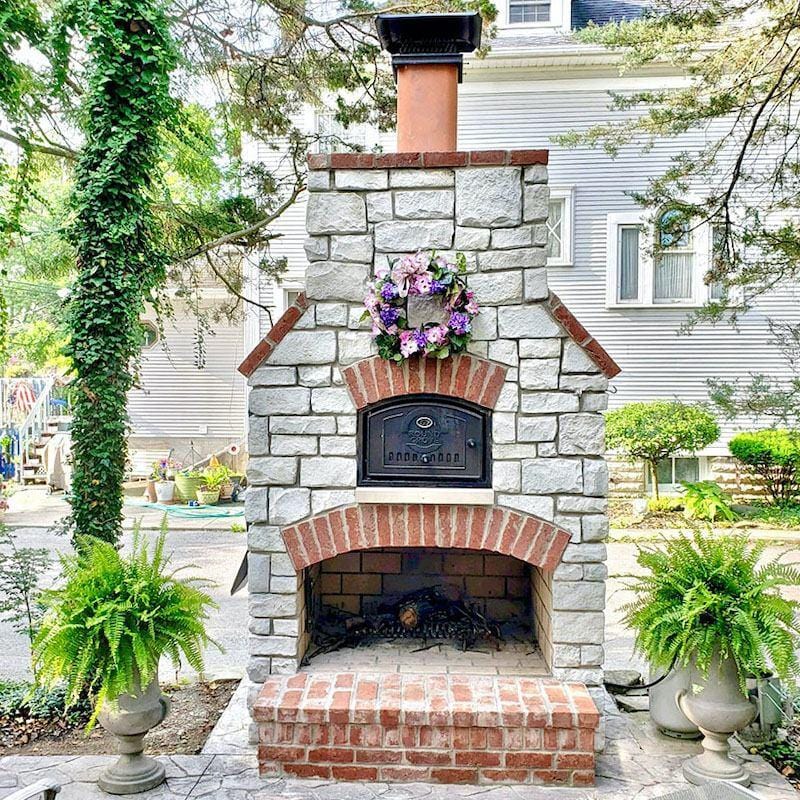
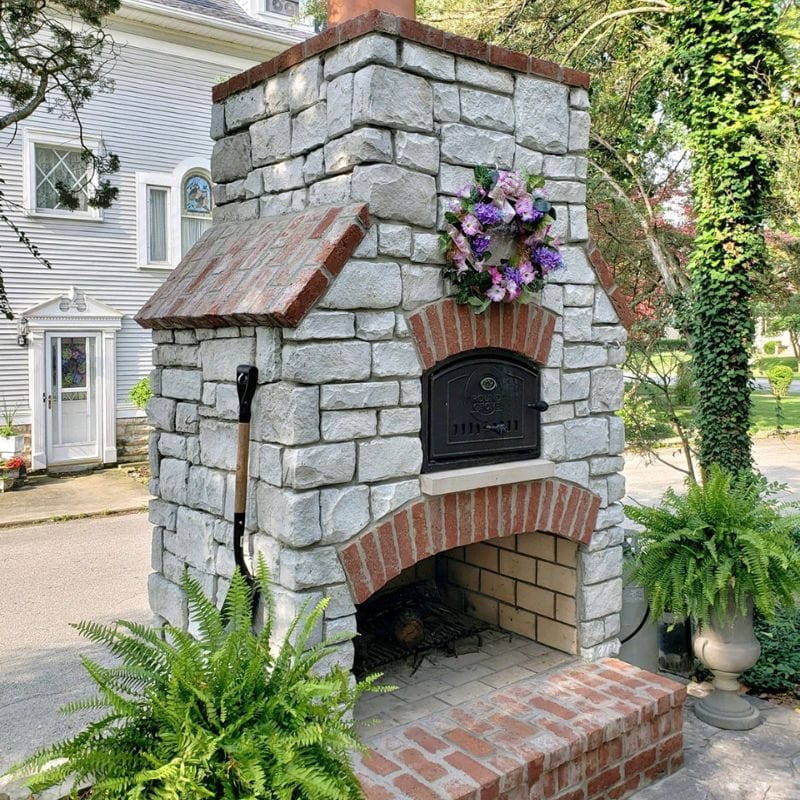
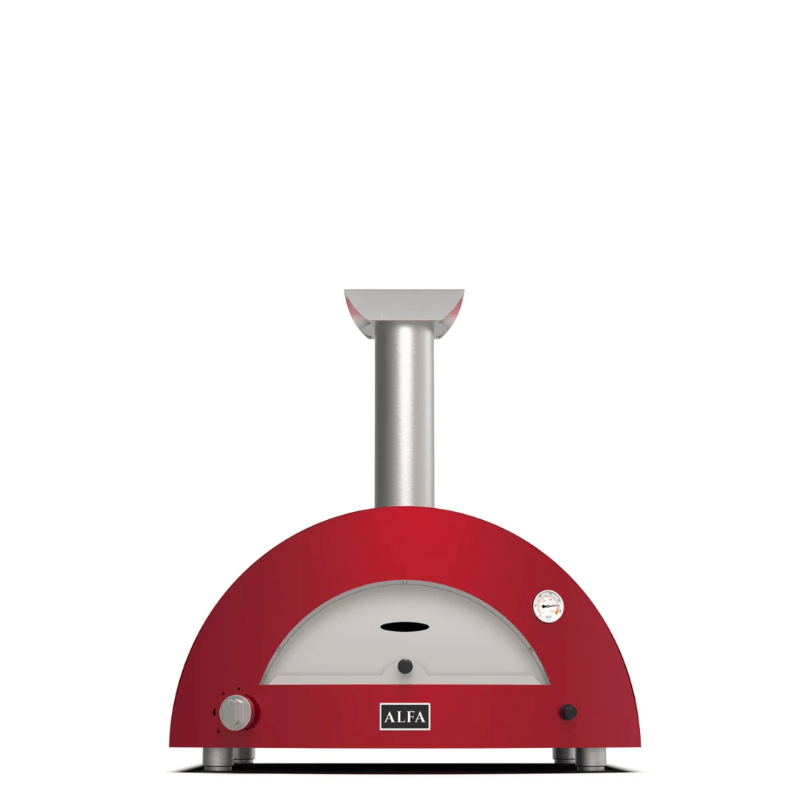
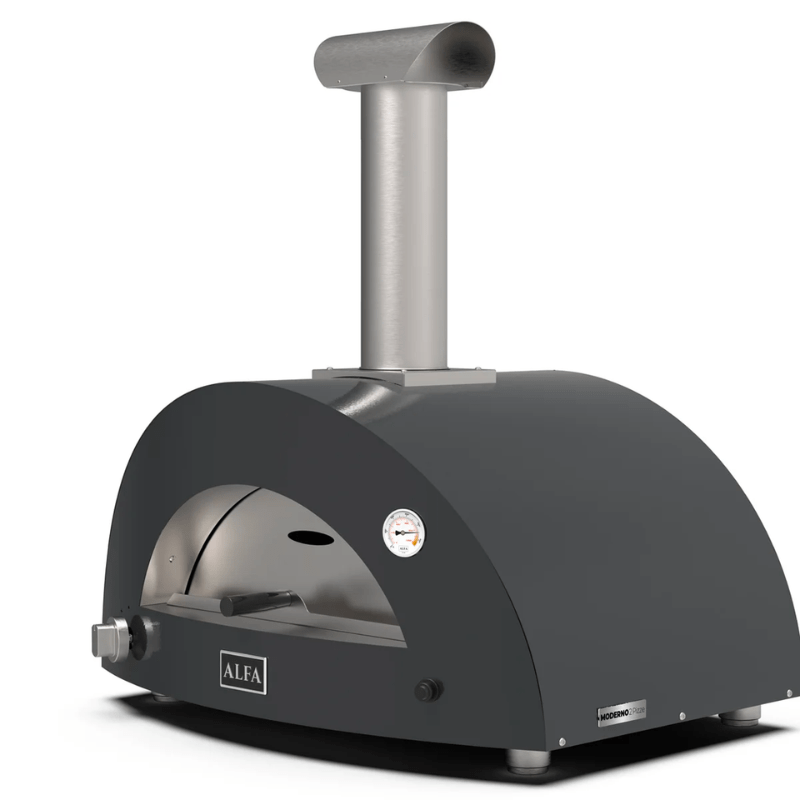
● A main grill or pizza oven
● Heat-proof counters on each side
● A dedicated spot just for prepping
● Enclosed storage for tools and fuel
Give yourself at least 24 inches of prep area, so you can trim, season, or plate without turning the dining table into a cutting board.
Pick materials that stand up to heat and weather. Stainless steel, sealed stone, and porcelain wipe down fast and don't stain easily. Use wood only for outer surfaces away from direct heat.
Utilities and Lighting
Access to electricity expands what the patio can handle. Need a blender, a small fridge, or extra lights? Go for sockets that can handle outdoor use and have ground-fault protection.
Layer your lighting:
● Targeted lights over the grill and counter
● Softer light for general mood
● Low-level pathlighting for safe movement
Storage That Keeps Outdoor Fun Running Smoothly
Solid storage ensures the patio area remains functional and clutter-free. Leaving tools or pillows outside will lead to rust or mildew buildup.
Practical storage options include base cabinets for pots, pans, and grill tools. Consider metal drawers on wheels for the small stuff, like thermometers and tongs. Tall cabinets are great for cleaners, extra gas. Bring bench seating that hides textiles inside.
Go for weatherproof materials - marine-grade plastic, stainless steel, and powder-coated metal keep pests and wetness out.
Placement Based on Workflow
Store items where they are used:
● Keep cooking tools right by the grill
● Store plates and serving gear between cooking and eating areas
● Have a spot for cushion storage near seating
Set Up a Comfortable Dining Area
Keep the dining spot close enough to the grill to make serving easy, but off to the side - people shouldn't have to walk behind anyone cooking. Don't park the table right in the path of smoke and heat. Shade structures improve comfort and extend the usable hours of the space.
Match your furniture to how you actually use the space. Rectangle tables suit big groups, while round ones fit limited patios, so people can move around more easily. Durable choices like powder-coated metal or high-quality plastic furniture last for years.
Pick cushions with quick-dry foam and get removable covers. Plan a storage spot for these, so they can be protected from rain and sun when not in use.
Multi-Use Surfaces in Compact Spaces
If dealing with a small patio, every bit of space should serve more than one purpose. Counters can become buffets for parties, and a dining table doubles as a prep surface when you're not serving a crowd.
Think about adding:
● Fold-down counters that expand when needed
● Mobile carts that move between zones
● Modular cabinets that can be rearranged
With a few clever features, a small patio can accommodate more people without permanent crowding.
Materials That Create Visual Continuity
Select a few materials for a streamlined look. Too many finishes create visual clutter and complicate maintenance
A practical combination includes:
● Porcelain or stone pavers for your floor
● Stainless steel or sturdy plastic cabinets
● Wood or composite accents for warmth
Use non-porous surfaces in the cooking area to ensure quick cleanup and prevent grease buildup.
Weather Protection for Year-Round Use
Outdoor kitchens require protection from the sun and rain. Some sort of cover - like a pergola or roof extension - lets you cook even if the weather turns. Wind screens or big planters can help block gusts without boxing you in.
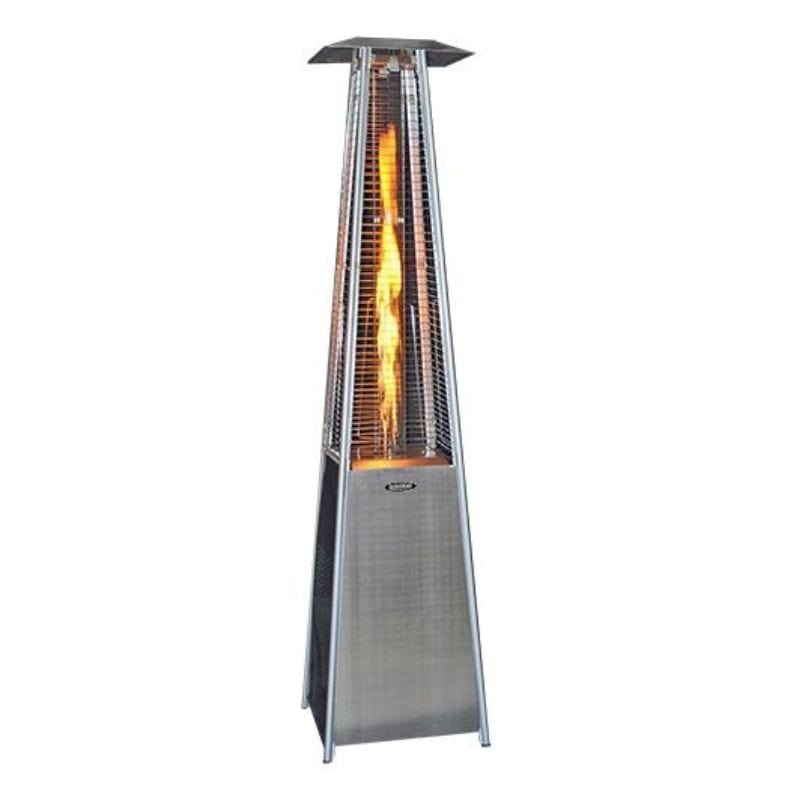
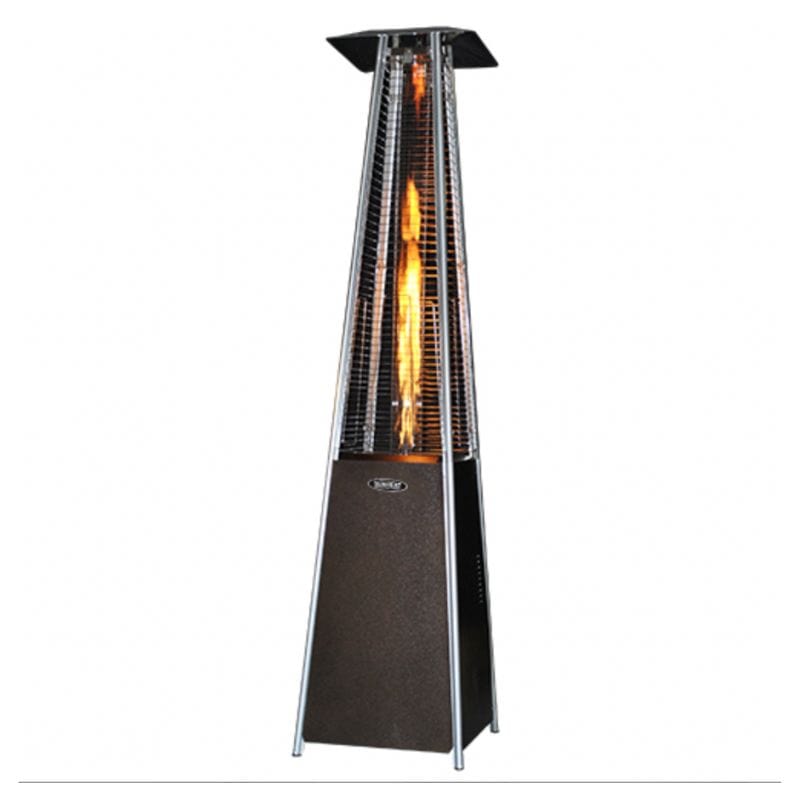
Keep in mind, some things need to hibernate for winter. Make sure you've got sealed storage for stuff you won't use till spring, and keep daily essentials handy. Throw in a heater or a fire pit, and you'll still use the patio long after summer's gone.
Safety and Code Compliance
Safety starts with the layout. Hot surfaces need space from anything that can burn, and the floor by the grill should be non-slip even when it's wet.
Basic precautions:
● Follow the grill maker's distance rules
● Stick to non-burnable surfaces in hot zones
● Only let professionals set up gas lines
● Use weatherproof electrical parts with ground-fault protection
Building it right helps prevent problems before they start.
Lighting for Mood
A single ceiling light won't cut it. Put task lighting over the grill and prepping areas, so you're not cooking in the dark. Softer, wider lights make dining more relaxing.
Accent lights along walkways or under counters make walking safer and set a nice tone, without glare.
Support Social Flow
The cook shouldn't be stuck with their back to everyone. Put the grill where you can chat with guests. Clear paths for serving keep people from crowding the kitchen zone.
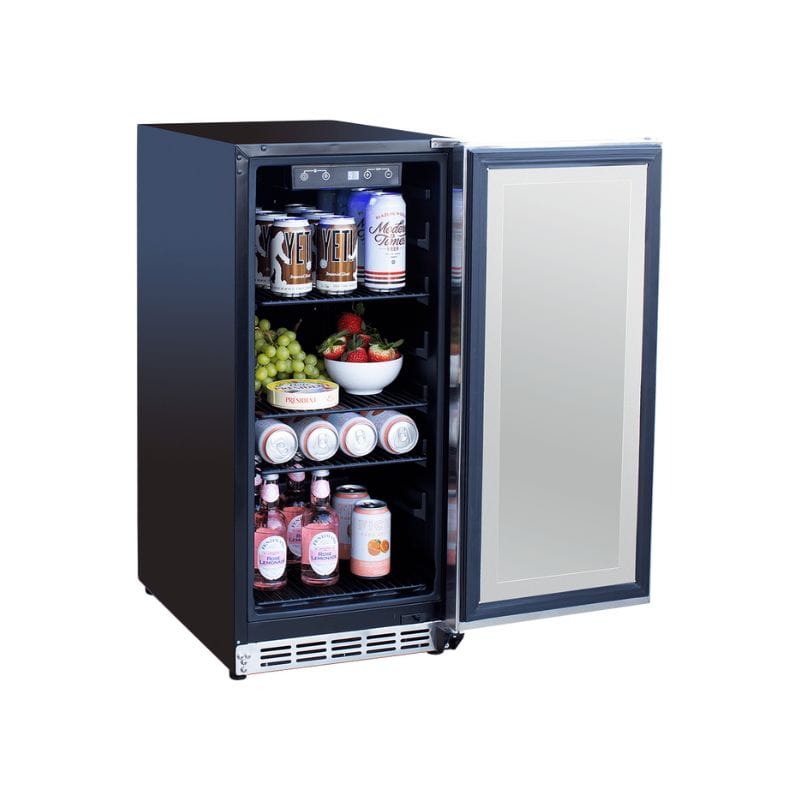
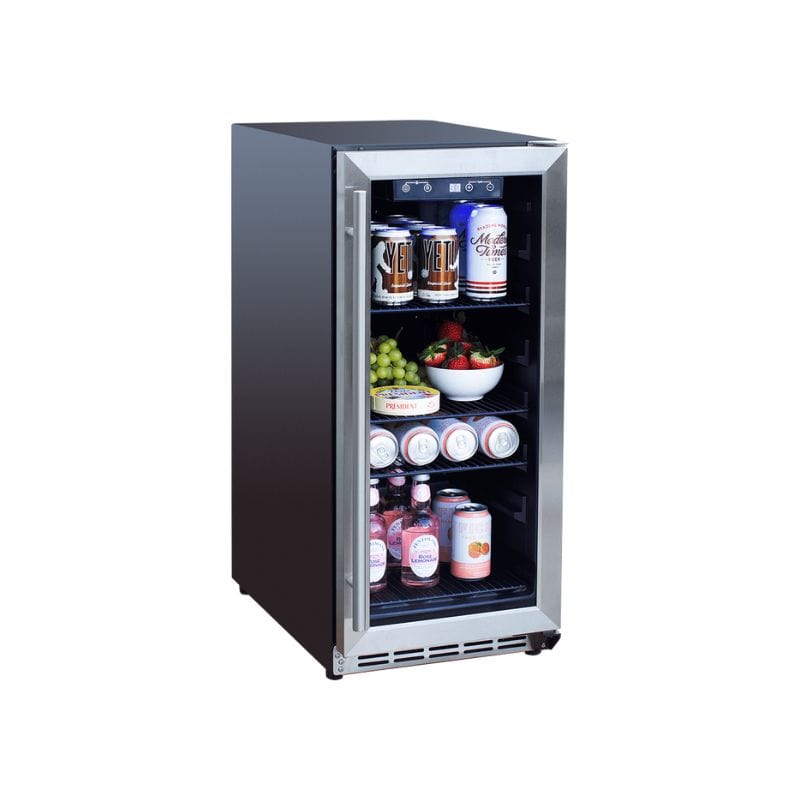
A drink station near the dining area gives people easy access to refills and helps keep traffic flowing.
Easy Upkeep for the Long Haul
Choose surfaces that are easy to wipe down. After cooking, wipe counters quickly and check storage areas for any moisture to prevent spoilage.
Regular jobs include:
● Checking gas lines
● Wiping out storage spaces
● Stashing textiles on rainy days
● Cleaning the floor to keep grease and dirt away
Keeping up with little things keeps the patio ready to go and in good shape.
The Final Word
A patio set up with clear zones, durable materials, and functional storage becomes an outdoor room. When the paths stay clear and the gear is safely stored, everything just works as it should. Add good lighting, protection from the elements, and keep up with regular care, and you've got a space ready for both everyday use and bigger get-togethers - all without the chaos.