I remember this one evening, probably six or seven years ago now, where the humidity was so thick you could practically feel it sitting on your shoulders like a heavy wet wool blanket. I was at a friend's place for dinner. They had this very gorgeous-looking dining set they’d just picked up from a not-to-be-named big-box store. Within forty minutes the humidity had turned the chairs into these strange, sticky traps. Every time someone stood up to grab a drink there was that audible shhhccck sound of skin peeling off the finish that made my hair go up all pointy! It was subtle, but it was there. It wasn't exactly the "idyllic garden party" vibe they were going for.
That’s the thing about outdoor furniture. It’s very easy to buy the look, but it’s remarkably hard to buy the actual experience if you don't know what the materials are doing when you aren't looking.

If you are currently mapping out a serious upgrade, you’re likely looking at more than just a table or a few chairs. You're thinking about the whole flow. How people get from the grill to the seating, or where the drinks sit so they don't leave rings on the table. I often point people toward this outdoor entertaining essentials guide because it helps frame the furniture as part of a system, not just an island in the middle of a deck. It’s about the "roomness" of the outdoors. You want the space to feel like a room, or a sanctuary, or a very cozy lounge! ! Even the surface you choose—like pavers, decking, or high-quality artificial turf—plays a role in defining the atmosphere.
Most of my time these days is spent explaining why patio dining sets made with poly lumber have become such a force in the industry. They just work. But I mean, I also think it’s important to realize that they aren't some magic bullet that solves every single problem for every person. Sometimes you want the weight of stone or the specific, silvering dignity of old wood. Sometimes you want a bright, colorful, whimsical plastic adirondack chair. We all have our own thing!
Why the "showroom feel" is usually a trap
When you’re standing in the store everything looks perfect. The lighting is very controlled. There’s no wind. There's no one spilling red wine or dropping a greasy pizza slice. But once that furniture hits your backyard the environment takes over. The U.S. Environmental Protection Agency is quite clear about how UV radiation degrades materials over time. It’s a slow-motion assault on plastics and fabrics and even wood finishes.

I’ve always felt that the best furniture is the stuff you stop noticing after about ten minutes. If you’re still thinking about the chair an hour into dinner, the chair has failed. Furniture is background music for connection. It should facilitate the conversation and fun, not distract from it. It's there to be used and sat on and lived with!
Aluminum and wood and the stuff in the middle
Aluminum is the workhorse. People like it because it’s very light. You can drag a chair across a concrete floor and that sharp, metallic scrape is a sound you’ll get used to and not worry about it snapping a leg or anything. According to the Aluminum Association, the material naturally forms an oxide layer that protects it from deep corrosion. It’s a self-healing metal, in a way. That’s why it’s so common.
But aluminum can feel a bit thin. If you buy a cheap set, it feels like sitting on a soda can. A sturdy soda can maybe, but still. It doesn't have that "heft" that makes a dinner feel significant or important or fancy.
Then you have teak. Teak is the classic choice. It has these natural oils that prevent rot and keep bugs away. The U.S. Forest Service has plenty of data on how well teak holds up against decay. It’s truly impressive stuff.
Here is the thing about teak that people forget to tell you: it’s a commitment. It's a very big commitment. It’s basically like owning a classic car. If you don't oil it, it turns gray. If you do oil it, you’re doing it every year. I’ve seen some people get very upset when their $4,000 table starts looking like an old driftwood log after one bad winter because they skipped the maintenance. You have to be okay with the "weathered" look, or you have to be ready to work for it. (I actually think the gray looks better at dusk, when the light hits it just right and it reflects the blue in the sky.)
The case for poly lumber and HDPE
Now, we get to the poly lumber and high-density polyethylene (HDPE). Keep in mind this stuff is basically recycled milk jugs and detergent bottles turned into something that feels like a heavy, very dense wood. The American Chemistry Council notes that HDPE is incredibly resistant to environmental stress cracking.

It’s just... solid. It doesn't rot or splinter or peel. My kids have climbed on poly furniture and dragged it around and generally treated it like a jungle gym, and it looks exactly the same as the day we got it.
I suspect this is why so many high-end setups are moving this way. It’s for the person who wants the look of wood but has zero interest in spending a Saturday afternoon with a bottle of teak oil and a rag. It’s the "set it and forget it" option. Is it as soulful as a hand-carved piece of timber? I mean, probably not. But when it’s 95 degrees out and the table doesn't feel like a frying pan you stop caring about soul and start caring about comfort and shade and cold drinks.
A quick side-track on "budget" sets
I can't tell you how many times I've walked onto a very beautiful patio only to see some scruffy furniture that belongs in a college dorm. I mean, I get the temptation to save money. I really do. But budget steel furniture is a ticking clock. Once that powder coating gets a tiny nick—maybe from a belt buckle or a dropped fork—moisture gets in. Then the rust starts. And once it's inside the tubes of the frame, you're done. You can't reach it to fix it! The Association for Materials Protection and Performance spends a lot of time studying how these coatings fail. It isn't very pretty. You end up with orange streaks on your pavers and a chair that eventually just gives up and breaks.
Designing for the actual rhythm of your life
Think about your Tuesday night. Just a regular, very typical Tuesday. Are you eating outside? Are you dragging a chair over to the edge of the patio to watch the sunset?
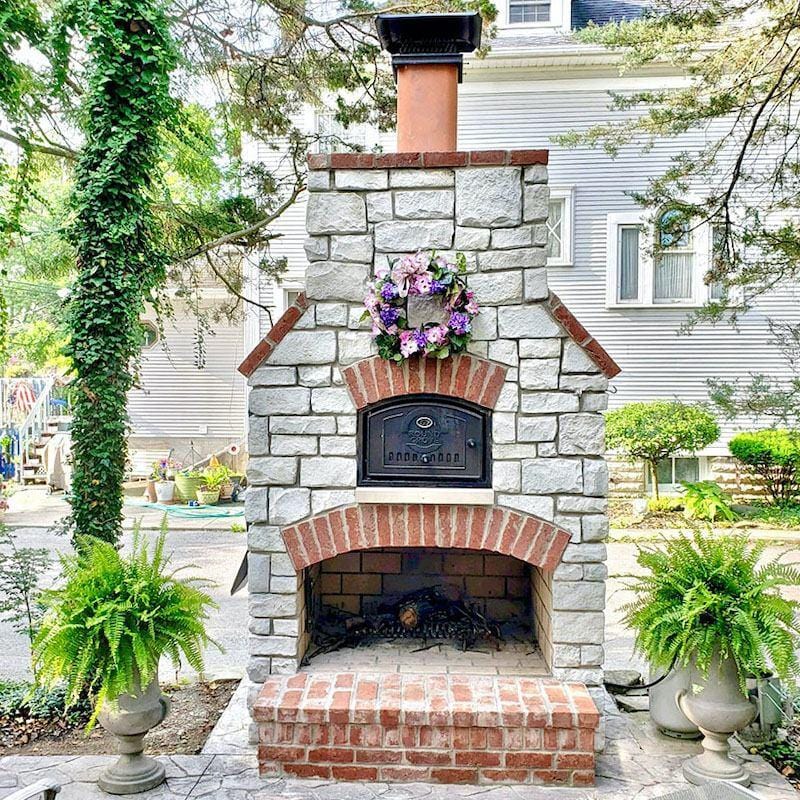
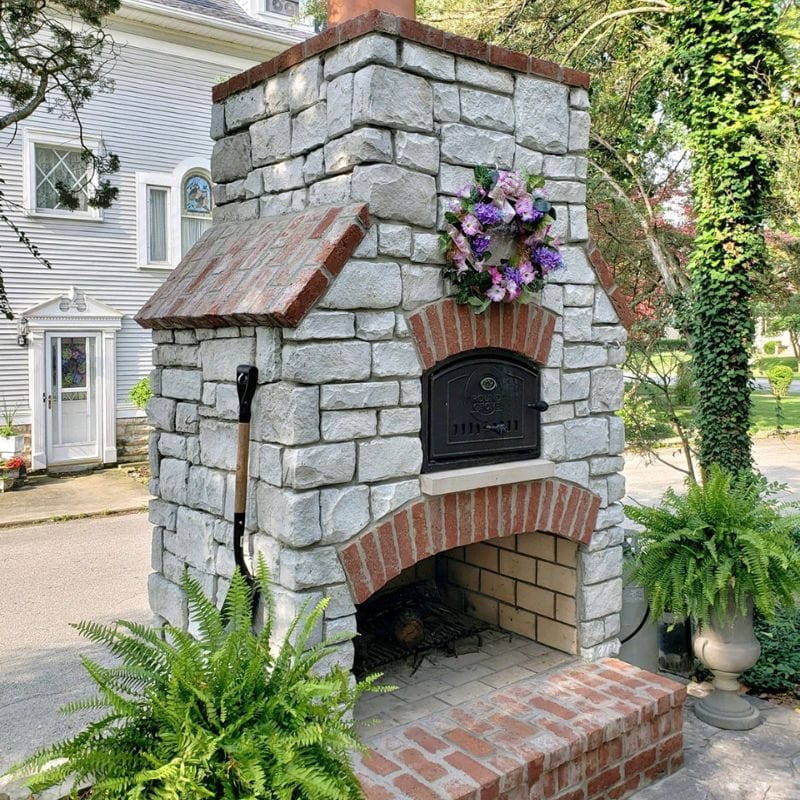
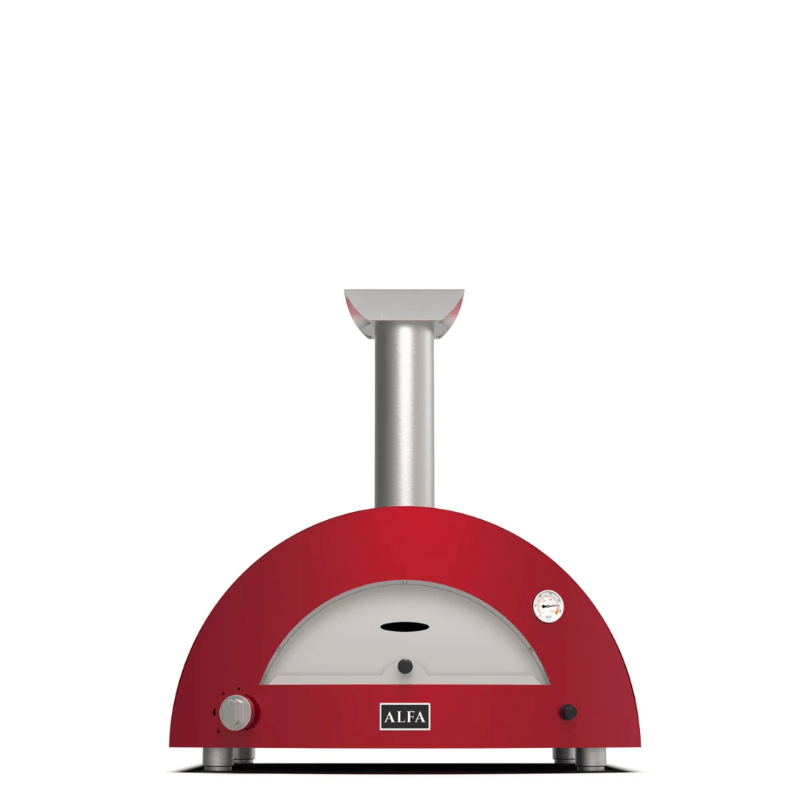
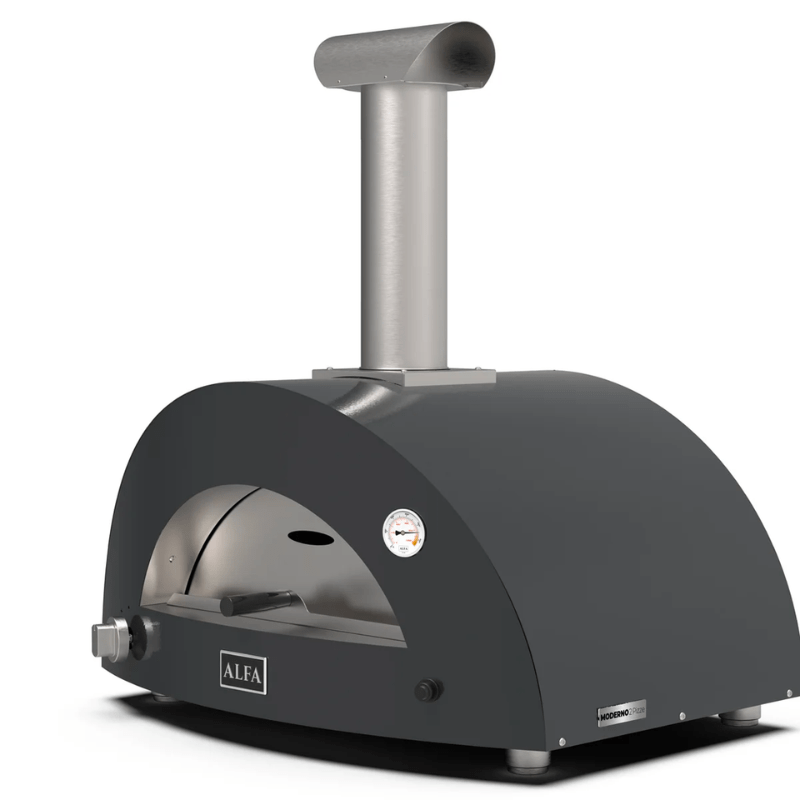
If your space is centered around a big cooking element, like an outdoor oven, you need furniture that can handle the heat and the traffic. I saw this great pro guide to a pizza patio that really dives into how to zone these areas. If your table is too close to the heat source, the material choice becomes even more critical. You don't want your resin wicker chair melting because it’s three feet away from a 700-degree oven!
I think we often over-complicate this. We look at a thousand swatches and worry about "curb appeal" or "style" for a backyard that no one sees from the street anyway.
For my money, the best material is the one that fits your climate (and, natch, your laziness level). If you live on the coast, ignore everything except aluminum and high-quality synthetics. The salt air will eat wood and steel for breakfast. If you live in a place like Arizona, your primary enemy is UV degradation or heat retention or just constant dust.
I have this hunch that the reason people don't use their outdoor spaces as much as they want to is because the furniture just isn't very inviting. It’s just too hot, or too wobbly, or too much work to clean. When you get the material right, the space starts to feel like an actual room in your house. It becomes the place where you have your morning coffee and realize it’s almost time for a snack because the light has shifted across the table in that very specific way it does around 10:30 AM.
There is no one "perfect" material. There is just the one that makes you want to stay outside for ten more minutes than you planned. Whether that’s the architectural weight of a concrete slab or the very reliable toughness of a poly lumber chair, the goal is the same. You want to be able to sit down and relax and realize that you haven't thought about the furniture or the maintenance once the entire time you've been sitting there.
Author
Mike Bowman is a patio furniture industry veteran with over a decade of experience in ecommerce and product management. He lives in Thornton, Colorado, with his kids and his dog and his sunny days.