Outdoor furniture takes a beating when it stays exposed through winter freeze, spring rain, or summer heat.
Storage solves that by giving each piece a dry, stable place to sit until you want it back in service. That matters more now because heat and moisture have become harder on materials, not easier. NOAA said 2025 was the third warmest year in its global record, and the ten warmest years have all come since 2015. Wood moves with humidity, fabrics hold moisture, and metal parts age faster when weather keeps working on them day after day. If you care about your patio, your grill station, or the rug under your outdoor table, storage is less about hiding things away and more about keeping them usable.

That is why the smart move between seasons is usually simple. Clean each item, dry it fully, and store it somewhere that gives it air, cover, and room to avoid dents, mildew, and bent frames. We're not telling you to treat your yard like a museum. The point is to keep your setup ready for the next stretch of dinners, smoke, friends, and late evenings outside. A good storage plan also frees up your garage for the things you actually need there, which is useful because a garage packed with chair legs, cushions, and a folded rug can start to feel like the last ten minutes of a moving day.
What usually needs a spot indoors
Most outdoor spaces collect more gear than you think. Patio dining sets and lounge chairs take up the obvious share, though the quiet troublemakers are often cushions, umbrella fabric, outdoor rugs, fire pit accessories, pizza oven tools, and grill parts that do not love damp air. Fabrics are the first place to get picky. The EPA says wet or damp materials should be dried within 24 to 48 hours to reduce the chance of mold growth. University and extension guidance says the same in plainer terms: clean fabric items, get rid of dampness, and store them dry. That is why providers often market self storage units for patio furniture as a practical fit for homeowners who want one place for seating, covers, cooking gear, and the soft goods that make a patio feel finished.
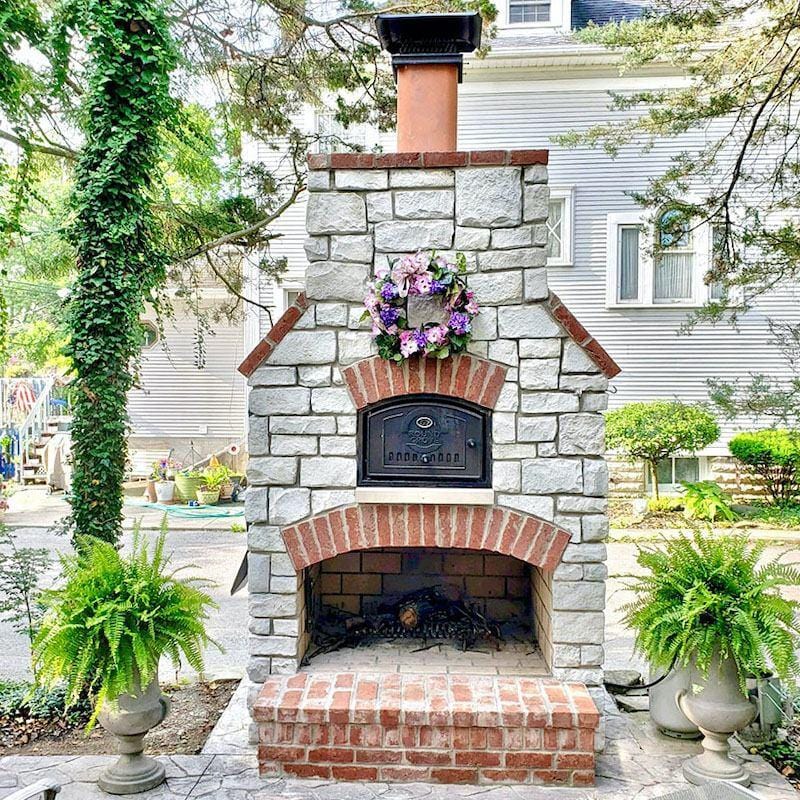
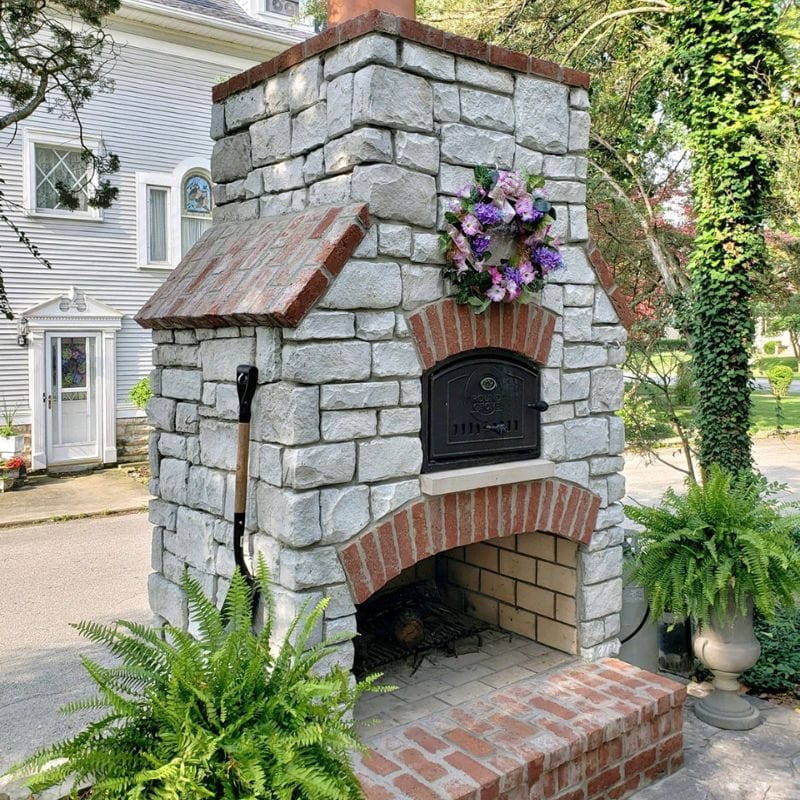
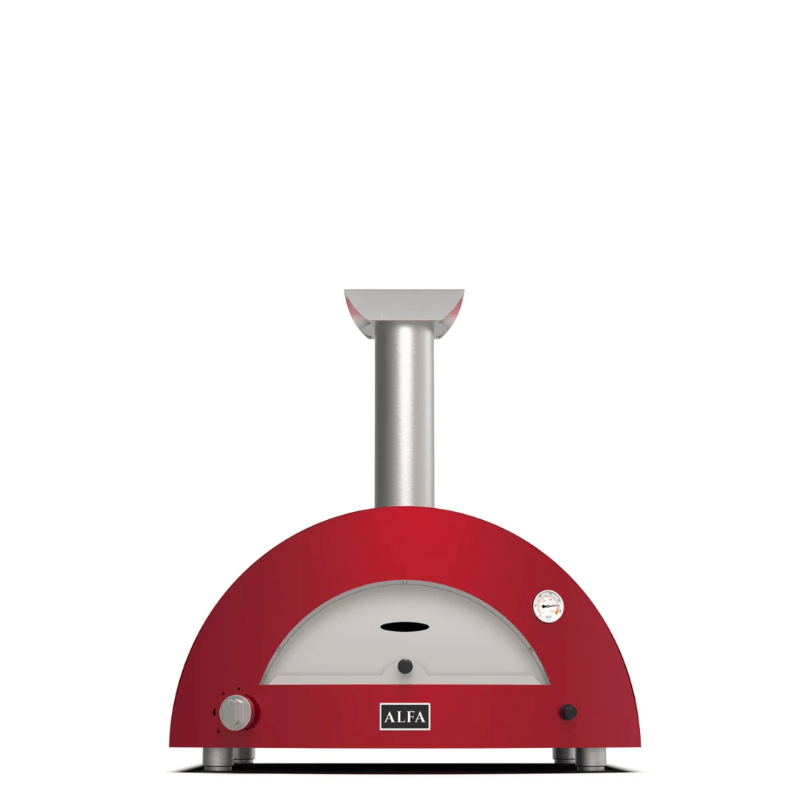
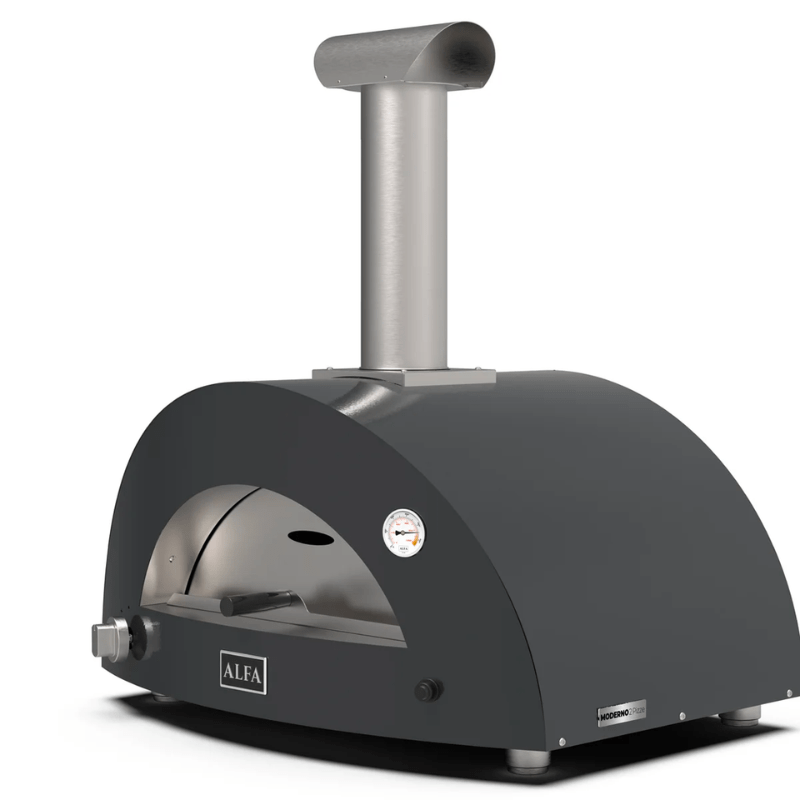
Outdoor cooking gear deserves the same discipline. The Hearth, Patio and Barbecue Association said in 2025 that 70 percent of mid to high end grill owners planned to grill on Independence Day, which tells you how central outdoor cooking remains to American home life. A grill or pizza oven that earns that much use also picks up grease, ash, and residue, and those need cleaning before storage. The fuel side matters too. NFPA guidance says propane tanks should be stored outside buildings and garages. So the grill body can go into storage once cleaned and cooled, while the cylinder stays outdoors in the proper safe location. That one step keeps the setup tidy and keeps the safety part straightforward.
Why storage beats the garage and beats the yard
Leaving pieces outside under covers sounds efficient until a long season passes. Covers help, though they still leave items exposed to swings in temperature, trapped moisture, blown dust, and the slow grind that shows up in seams, finishes, and hardware. Wood shrinks and swells as moisture levels shift with the air around it. That movement is normal. It also wears on joints and surfaces over time. If your table is wood, woven natural fiber, or anything with fabric panels, a better environment between seasons gives it a longer life and less cleanup when the weather turns again.
The garage has its own problem. It is already doing several jobs at once, and patio gear tends to be bulky, awkward, and seasonal in a way that interrupts everything else. Stacking chairs beside bikes, wedging a folded umbrella near the mower, and balancing a rolled rug against shelving may get the job done for a week. By month two, the whole setup starts to feel sloppy. A separate unit gives each piece enough room to stand, hang, or stack without pressure on frames, fabric, or corners. It also makes retrieval easier when spring arrives and you want the whole space back in service in one afternoon rather than one frustrating weekend.
How much room you actually need
Size matters less than people think because patio gear stacks better once it is cleaned and broken down. A 5x10 storage unit usually works for a small bistro set, a couple of folding chairs, cushions in bins, and a rolled rug. That is a good fit for a balcony, townhouse patio, or compact backyard where the furniture footprint stays modest through the year. You want enough room to keep fabric off the floor, avoid crushing chair arms, and leave a narrow path so you can reach what is behind the first layer.
A 10x10 storage unit gives you room for a full dining set, a grill body, extra chairs, umbrella parts, and bins for tools or fire pit accessories. That size usually suits a family patio or an outdoor cooking setup with more moving parts. If your soft goods include seat pads, wood tables, or fabric covers that you want to keep in steadier conditions, climate controlled storage units make sense for that group because humidity and temperature shifts are tougher on wood and textiles than on powder coated metal. And because many homeowners only need space between active seasons, month to month storage fits the real calendar better than a long fixed term. Three or four months is often enough.