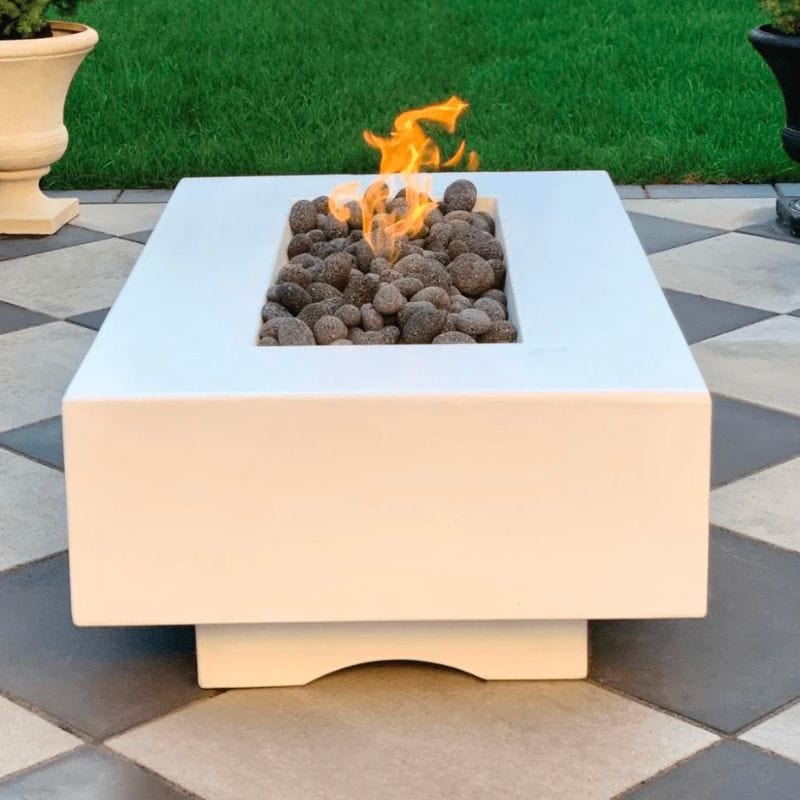
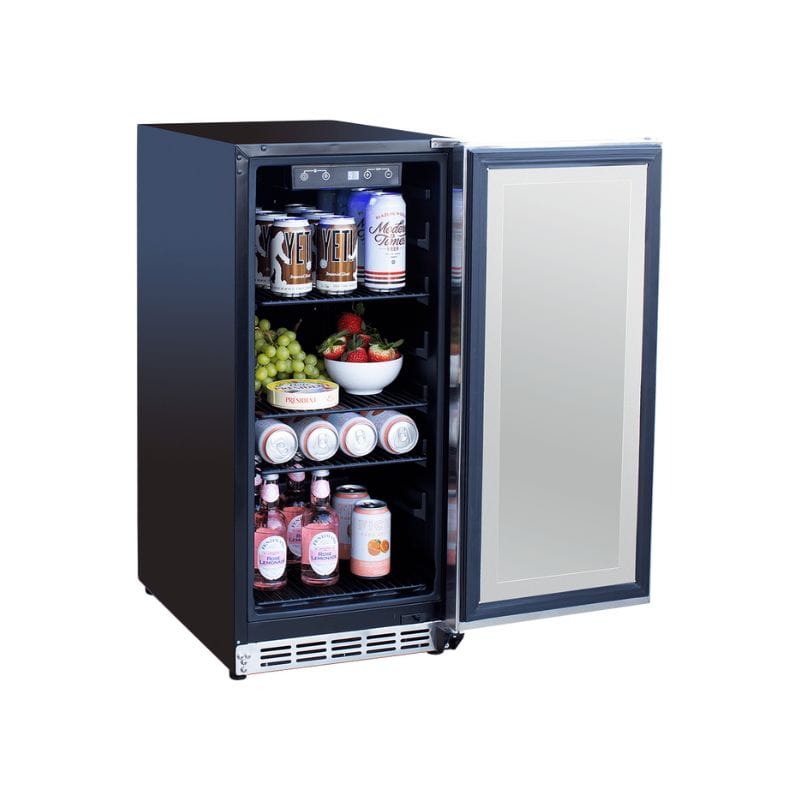
Outdoor kitchens look simple on paper until three strong materials land in the same frame.3d exterior rendering helps designers test that mix before stone is cut or metal is ordered. The technology turns a loose mood board into something measurable, where grain direction, surface sheen, and shadow depth can be judged together rather than guessed at one by one. That matters because current demand is real, not niche. Houzz reported in April 2025 that 54% of homeowners undertook renovation projects in 2024, including outdoor projects. When a space is meant to cook, host, and age well, the challenge is not finding beautiful materials. It is getting them to behave like one design language.

The Visual Dynamics Of Stone, Wood, And Steel
Stone usually reads as grounded and matte, with visual weight that anchors an outdoor kitchen. Wood softens that mass through grain, warmth, and small color shifts that feel natural rather than manufactured. Stainless steel does the opposite. It reflects light, sharpens edges, and adds a clean industrial note that can make nearby materials look richer or, if pushed too far, colder. 3d exterior rendering services make those relationships easier to judge under real sun angles, not flat showroom lighting. That distinction matters because daylight keeps changing. Morning light can pull out the warmth in cedar and limestone, while midday sun may exaggerate contrast and make brushed steel feel brighter than expected. A good design balances these reactions instead of fighting them.
Visualizing The Pizza Oven Base As A Focal Point
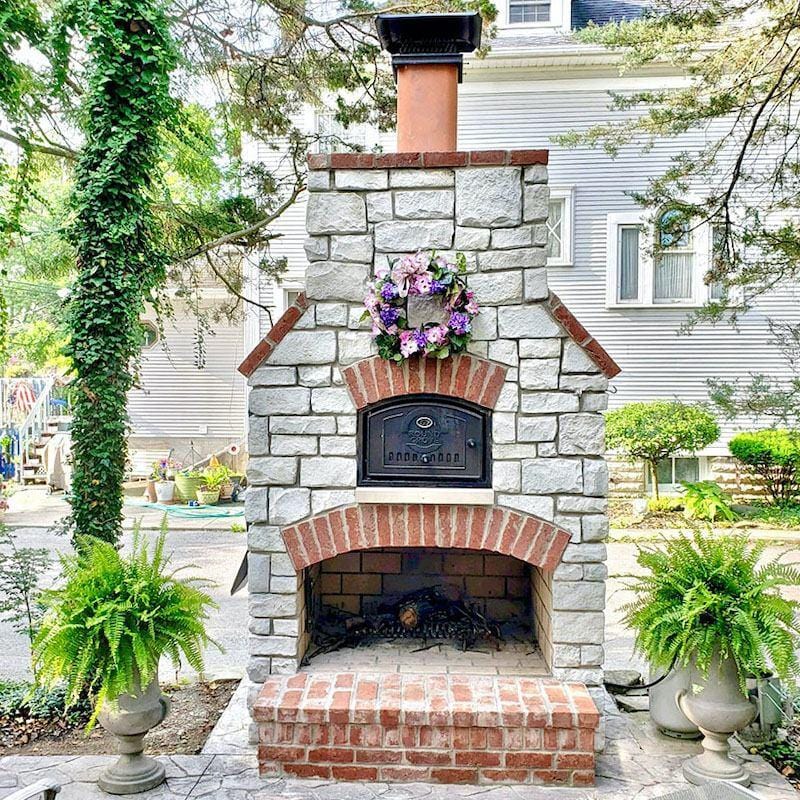
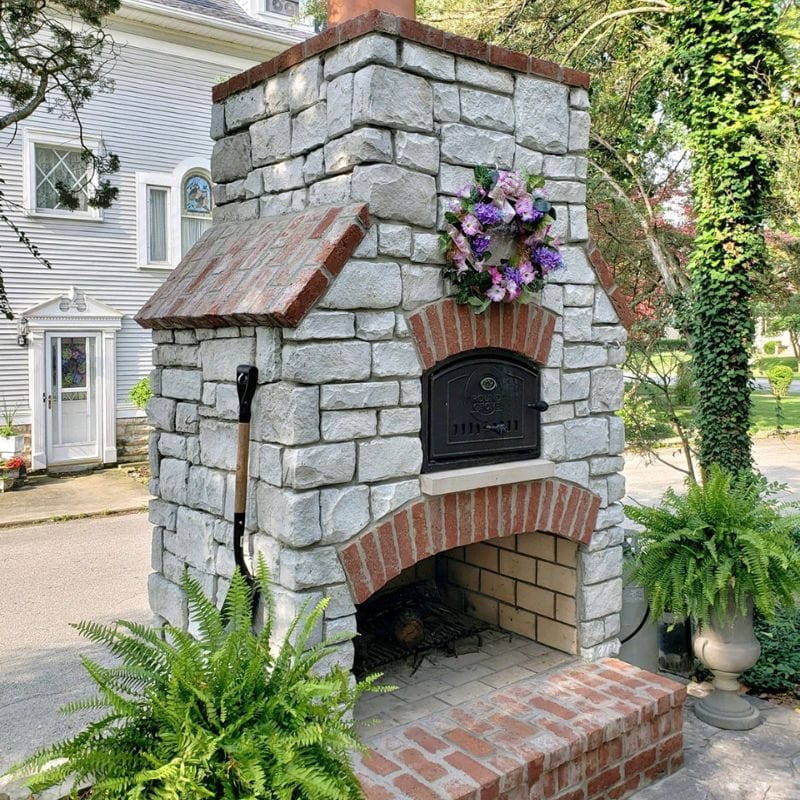
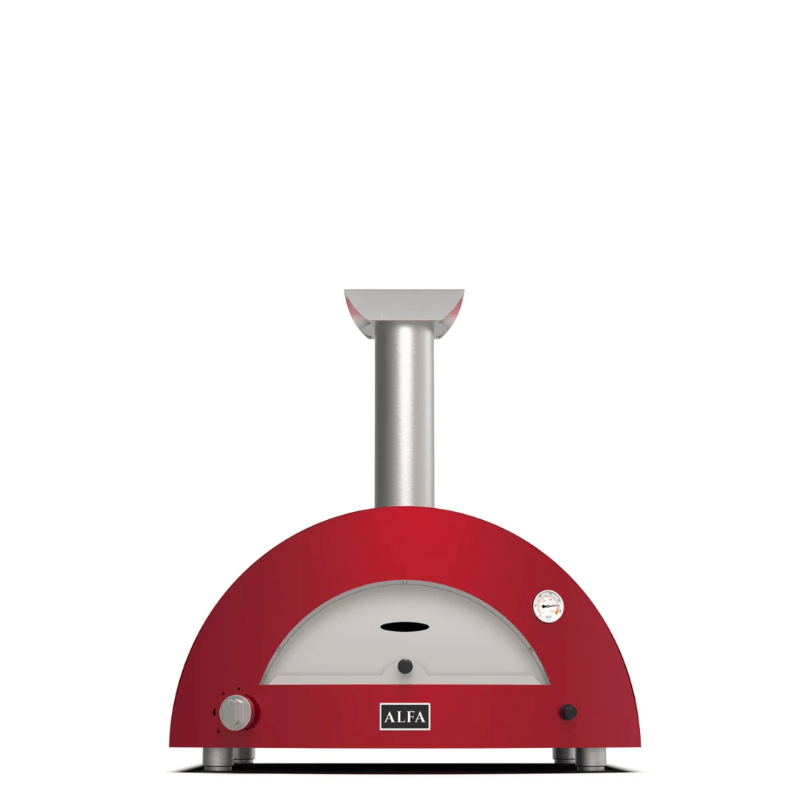
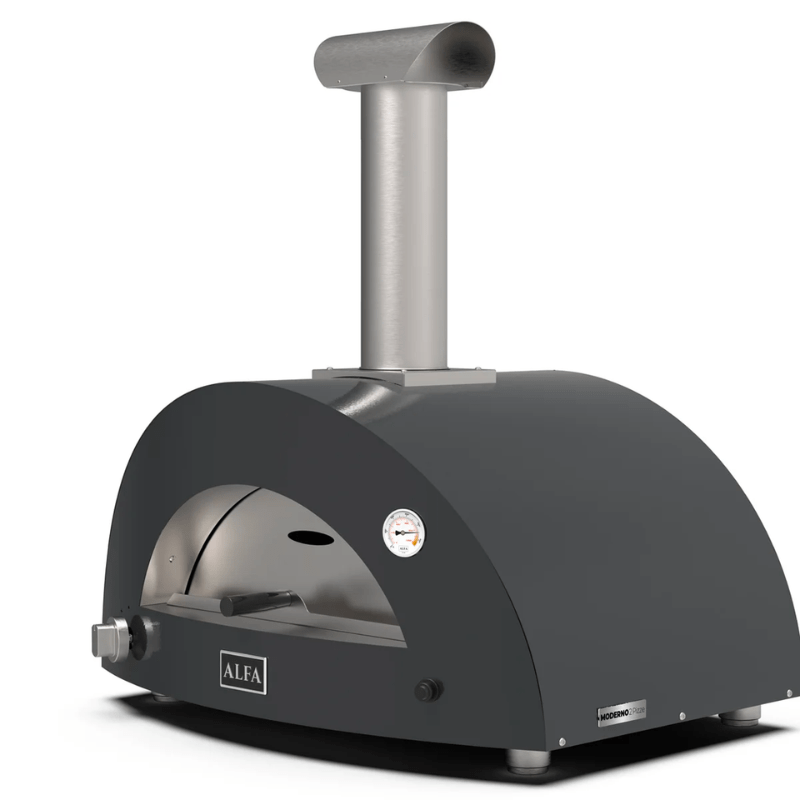
The pizza oven usually becomes the visual anchor of the whole composition, so small material decisions around it have outsized effects. A render lets the homeowner compare rough-cut limestone, smoother travertine, or darker stacked stone against the stainless steel shell of the oven without buying a single slab first. 3D rendering services are especially useful here because mortar color affects the result more than many people expect. A warm gray mortar can calm the transition from cool steel to warm stone, while a bright white joint can make the whole base look busy. Height matters too. Raise the oven base a little, and the shadow line under the dome becomes cleaner. Lower it, and the structure can start to feel heavy and squat.
Coordinating Patio Furniture With Fixed Structures
An outdoor kitchen never lives alone. Dining chairs, a teak table, lounge seating, and even fabric cushions all sit in the same visual field, so the fixed materials have to speak to the movable ones. That is where species matching becomes practical rather than decorative. Teak, cedar, and thermally modified ash each carry different undertones, and those undertones can either echo nearby cabinetry or clash with it. 3d exterior visualization services help a team test those connections before ordering furniture sets that may be expensive to return. Recent Houzz kitchen trend data also showed that 23% of homeowners renovating their kitchens opened them to the outdoors in 2024, up from 18% in 2022. As indoor and outdoor zones connect more often, cohesion stops being a luxury and starts being basic planning.
The Technical Advantage Of Photorealistic Textures In 3D Exterior Renderings
A hand sketch can explain layout and proportion, but it cannot show why one granite finish feels flat at noon and excellent at sunset. Photorealistic rendering can. With global illumination, the scene captures how light bounces off steel and spills onto stone or wood. With ambient occlusion, tight joints and recessed seams gain believable depth. With high-resolution texture maps, the surface begins to show the differences among brushed metal, split-face stone, and lightly weathered timber. That level of realism prevents procurement mistakes because the material is reviewed in context, not as a tiny sample on a desk. NKBA reported in late 2024 that 84% of respondents expected lighting fixtures to feature more varied materials, making texture accuracy even more important in mixed-finish spaces.

Critical Selection Criteria For Outdoor Materials
Material choice should be checked in the render before a purchase order is signed. Visualization services are valuable here because they slow down emotional decision-making and force side-by-side comparisons. The goal is not to make every surface match. The goal is to make every surface feel like it belongs.
1.Porosity and weather resistance of the selected stone type should be tested visually and practically, because a beautiful veneer can still darken unevenly after rain.
2.The maintenance needs of specific wood grains matter near heat sources, especially where sun exposure and cooking temperatures work together.
3.The grade of stainless steel must suit the environment, since guidance from the Nickel Institute notes that Type 316 is preferable for coastal regions and places exposed to de-icing salts.
4.Color temperature compatibility matters because cool steel can make warm woods go orange and cool-toned stones look dull.
5.Scale and proportion matter as much as material, so a heavy stone slab should still feel right next to a slimmer chair frame or table leg.
6.Integrated lighting in the render should be used to test how texture depth reads after sunset, not only in bright daytime conditions.
That extra review step feels slow only until it prevents the wrong order from arriving on site.
Eliminating Guesswork In Color Temperature And Contrast
Color temperature is often the hidden reason a material palette fails. Stainless steel usually carries a cool blue-gray cast, especially in shade, and that cast can push some oak, cedar, or acacia tones into orange territory. Certain pale stones can suffer too, reading washed out instead of calm. 3D design services give designers room to adjust saturation, contrast, sun angle, and sky reflection until the mix lands in the right middle ground. This is not cheating. It is testing. NKBA noted in December 2024 that 53% of respondents believed kitchens would become increasingly connected to the outdoors over the next three years. As that connection grows, color discrepancies become more visible as indoor and outdoor finishes begin to share a single continuous sightline.
Spatial Planning And Flow Through Material Transitions
Materials do more than decorate a space. They organize it. Stone can define the cooking zone, wood decking can relax the lounge area, and stainless steel details can quietly mark the work surfaces where heat, grease, and water are part of daily use. 3d design services help designers inspect the actual meeting points between those zones. That is where projects usually reveal their weak spots. A stone counter may look elegant on its own, but oversized next to a light dining chair. A timber screen may feel warm until it meets a bulky stone edge, making the transition abrupt. Good renders show seams, trim thickness, corner returns, and walking paths clearly enough to refine the flow before anyone starts installation.
Long-Term ROI Of Professional 3D Visualization
Good visualization costs money up front, but it often protects a much larger budget later. A homeowner may hesitate over the fee until they compare it with the cost of reordered stone, replaced cabinet fronts, or a pizza oven surround that looked balanced in samples but was wrong when built. A 3d exterior rendering company earns its value when decisions get settled before fabrication begins. There is also a market logic behind that caution. NAR reported an estimated cost of $15,000 for an outdoor kitchen in its outdoor remodeling report, and premium builds can go much higher once custom finishes are added. Even small reductions in change orders, site delays, and material mismatches can preserve both budget and confidence.
Conclusion
The best outdoor kitchens do not rely on expensive materials alone. They work because stone, wood, and stainless steel are attuned to one another in light, scale, and proportion. That is harder than it sounds. One surface can warm a composition, another can cool it down, and a third can throw back enough light to change everything around it. Photorealistic previews make those reactions visible early, when changes are still cheap and easy. They also give homeowners proof, not reassurance, that the pizza oven base, cabinetry accents, furniture, and circulation zones belong to the same idea. When that testing happens before construction, bold choices become safer, cleaner, and more durable. The most convincing outdoor spaces usually begin as carefully studied 3d exterior renderings.